Kraft Paper Bags
 Kraft Standup Pouches
 Kraft Bowls
 Kraft Food Boxes
 SOS Paper bag
 Bottles & Jars
 Eco Products
 Accessories
There’s nothing quite as disappointing as tearing open a bag of coffee expecting that rich, nutty aroma to hit you — only to be met with a flat, stale smell instead. This is exactly why coffee packaging that preserves freshness and aroma has become one of the most important considerations for roasters, cafés, and everyday coffee lovers alike. The truth is, coffee beans start losing their character the moment they’re roasted, and the only thing standing between that freshly roasted flavor and a dull, lifeless cup is the packaging wrapped around it.
In this guide, we’re going to unpack everything you need to know — from the science behind coffee staling to the exact materials and features that keep your beans tasting like they just came off the roaster. Whether you’re a coffee brand looking for custom coffee bags for freshness or a home brewer trying to figure out the best way to store your favorite blend, this article has you covered.
☕ Why Coffee Packaging for Freshness Actually Matters
Coffee is a surprisingly delicate product. The same aromatic oils and compounds that give it that irresistible smell are also incredibly reactive — meaning they break down fast when exposed to the wrong conditions.
The Science Behind Coffee Staling
Once coffee beans are roasted, they immediately begin releasing carbon dioxide (a process called degassing) while simultaneously absorbing oxygen, moisture, and odors from the surrounding environment. Four main enemies accelerate this decline:
- Oxygen – triggers oxidation, which flattens flavor and aroma
- Moisture – causes beans to lose crispness and can lead to mold
- Light – breaks down oils and speeds up staling
- Heat – accelerates every chemical reaction listed above
Without the right barrier, coffee can lose most of its aromatic complexity within just a couple of weeks. This is precisely why coffee packaging for freshness isn’t just a marketing checkbox — it’s a functional necessity that determines whether your coffee actually tastes the way it’s supposed to.
🔑 Key Features of the Best Packaging to Keep Coffee Fresh
Not all coffee bags are created equal. If you’re evaluating packaging — whether for your own brand or personal use — here are the features that separate genuinely protective packaging from bags that just look nice on a shelf.
One-Way Degassing Valve
Freshly roasted coffee releases CO2 for days after roasting. If sealed in an airtight bag without an outlet, that gas buildup can cause the bag to swell or even burst. A one-way degassing valve solves this elegantly — it lets carbon dioxide escape while blocking oxygen from entering.
This is why so many premium roasters use coffee bags with one-way valve designs. It’s a small mechanical detail that makes a massive difference in shelf life.
Airtight & Moisture-Proof Seals
Airtight coffee packaging prevents external air and humidity from creeping in, which is critical for both whole bean and ground coffee. A reliable seal — whether it’s a zip-lock, heat seal, or tin-tie closure — keeps the internal environment stable between the roastery and your cup.
Foil-Lined and Barrier Film Construction
Multi-layer barrier films, often foil-lined, block oxygen, moisture, and light simultaneously. These layers act like a shield, which is why foil-lined coffee bags are considered the gold standard in specialty coffee packaging.
UV Protection & Light Blocking
Clear packaging might look appealing, but UV exposure degrades coffee oils quickly. Opaque or tinted UV-protective coffee bags help preserve both flavor and color stability over time — especially important for coffee that sits on retail shelves for weeks.
🧵 Popular Coffee Packaging Materials Compared
Choosing the right coffee packaging materials depends on your budget, branding goals, and how long the coffee needs to stay fresh. Here’s a quick breakdown of the most common options.
| Material Type | Freshness Protection | Best For | Sustainability |
|---|---|---|---|
| Kraft paper (with lining) | Moderate to high | Artisan & specialty brands | High (biodegradable base) |
| Aluminum foil-lined pouches | Very high | Long shelf-life retail coffee | Moderate |
| Resealable stand-up pouches | High | Everyday consumer convenience | Varies by material |
| Vacuum-sealed / retort pouches | Very high | Bulk or export packaging | Moderate |
Kraft Paper Coffee Bags
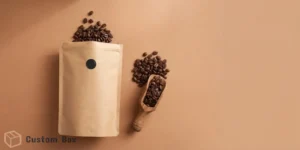
Kraft paper coffee bags strike a great balance between eco-conscious branding and functional protection, especially when internally laminated with foil or barrier film. They give off that rustic, premium look many specialty roasters love, while still offering solid protection when paired with a valve and proper sealing.
If you’re building a brand identity around sustainability without compromising freshness, kraft paper coffee bags are worth exploring.
Aluminum Foil Standup Pouches
For coffee that needs to survive longer shipping times or extended shelf presence, aluminum-based pouches are hard to beat. The metallic barrier blocks essentially all light and oxygen transfer, making it one of the most reliable fresh coffee storage solutions available.
Brands looking for that extra layer of barrier film packaging protection often turn to aluminum lamination pouches for their strength and durability.
Resealable Stand-Up Pouches
Convenience matters just as much as protection. Resealable coffee pouches allow customers to reopen and reseal the bag multiple times without compromising freshness — a feature especially valued by home brewers who don’t finish a bag in one sitting.
Explore CustomBox’s full range of resealable stand-up pouches designed specifically for food and beverage brands.
Vacuum-Sealed & Retort Options
For bulk coffee, export shipments, or products that need maximum shelf stability, vacuum-sealed coffee packaging removes virtually all oxygen from the bag before sealing. This dramatically slows oxidation and extends coffee shelf life well beyond standard packaging.
If your business needs this level of protection, our vacuum-sealed retort pouch options are built exactly for that purpose.
🌰 Whole Bean vs Ground Coffee Packaging: Does It Need to Differ?
Here’s something a lot of people overlook — whole bean vs ground coffee packaging actually requires slightly different considerations.
- Whole beans have less surface area exposed to air, so they stale more slowly. However, they release more CO2 after roasting, making a one-way valve almost essential.
- Ground coffee has significantly more surface area exposed, meaning oxidation and moisture absorption happen much faster. Airtight sealing and moisture barriers become even more critical here.
If you’re packaging ground coffee, prioritize an airtight, moisture-proof pouch with minimal headspace air. For whole beans, a valve-equipped bag with a reliable barrier layer is usually the smarter choice.
✅ How to Choose the Best Coffee Packaging for Your Brand
Whether you’re a roastery scaling production or simply want better storage at home, here’s a practical checklist:
- Check for a one-way valve if you’re packaging freshly roasted beans
- Prioritize barrier materials like foil lining or multi-layer film over single-layer plastic
- Choose resealable closures for products that won’t be consumed in one go
- Avoid clear packaging for long shelf-life products — opt for light-blocking materials
- Match bag size to consumption speed — smaller bags mean less repeated air exposure
- Add a roast date on the packaging, since roast date freshness transparency builds customer trust and helps them gauge quality
For businesses looking to create a distinct identity while nailing all these functional requirements, custom coffee bags for freshness give you the flexibility to combine branding with protection.
🌱 Sustainable Packaging That Still Performs
There’s a common myth that eco-friendly coffee packaging has to sacrifice performance. That’s simply not true anymore. Modern kraft paper pouches with compostable or recyclable liners now offer comparable protection to traditional foil-based options, without the same environmental footprint.
When evaluating sustainable packaging, look for:
- Recyclable or compostable outer layers
- Minimal use of mixed-material laminates (harder to recycle)
- Certifications indicating biodegradability where applicable
- Reduced overall material weight without compromising the barrier
Sustainability and freshness protection aren’t mutually exclusive — they just require slightly more thoughtful material selection.
⚠️ Common Mistakes That Ruin Coffee Freshness
Even with great packaging, a few habits can undo all that protective engineering:
- Leaving the bag open for extended periods after use
- Storing coffee near heat sources like stovetops or sunny windows
- Transferring coffee into non-airtight containers after opening
- Buying more coffee than you’ll use within a few weeks
- Ignoring the valve — some people mistakenly think it needs to be sealed shut, when it’s designed to stay functional
Avoiding these simple mistakes can extend the practical freshness window significantly, even with standard packaging.
❓ Frequently Asked Questions
What packaging keeps coffee fresh the longest? Multi-layer barrier pouches with a one-way degassing valve and aluminum or foil lining typically preserve freshness the longest, especially when combined with vacuum sealing for bulk storage.
Why do coffee bags have a valve? The valve releases carbon dioxide that freshly roasted coffee naturally produces, without letting outside oxygen enter the bag. This prevents pressure buildup while still protecting the coffee from oxidation.
Does vacuum sealing keep coffee fresher? Yes. Removing air from the packaging before sealing significantly slows oxidation, which is why vacuum-sealed and retort pouches are popular for bulk or long-shelf-life coffee products.
How long does coffee stay fresh in a bag? Properly sealed whole bean coffee in a valve-equipped, barrier-lined bag can stay fresh for 6-9 months. Ground coffee, due to greater surface exposure, is best consumed within 2-4 weeks of opening.
Which coffee packaging blocks light and air best? Opaque, foil-lined, or aluminum laminated pouches offer the strongest combined protection against both light exposure and air infiltration.
What is the best way to store coffee beans after opening? Keep the bag sealed tightly after each use, store it in a cool, dark place away from heat and sunlight, and avoid transferring beans into containers that aren’t airtight.
🎯 Final Thoughts
At the end of the day, coffee packaging that preserves freshness and aroma isn’t just about aesthetics — it’s the invisible guardian standing between a perfectly roasted batch and a disappointing cup. From one-way valves to foil linings and airtight seals, every design choice plays a direct role in how your coffee tastes weeks or even months down the line.
Whether you’re a roastery building a brand people trust, or someone who simply wants their morning coffee to taste as good as the day it was roasted, investing in the right packaging pays off in every cup.
Ready to upgrade your coffee packaging? Explore CustomBox’s complete collection of coffee bags and pouches and find the perfect blend of protection, branding, and sustainability for your product.