Kraft Paper Bags
 Kraft Standup Pouches
 Kraft Bowls
 Kraft Food Boxes
 SOS Paper bag
 Bottles & Jars
 Eco Products
 Accessories
If you’ve ever stood in the middle of your living room, surrounded by half-packed cushions and a confused cat, wondering “how many home shifting boxes do I actually need for this house?” — you’re not alone. It’s one of the most common questions people ask right before a move, and honestly, most of them either overbuy and end up with a stack of flattened cardboard taking up garage space for months, or underbuy and find themselves at 9 PM making an emergency run to the nearest packaging shop. The truth is, the right number depends on a handful of predictable factors: the size of your home, how many years’ worth of belongings you’ve accumulated, and how organized (or chaotic) your packing style is. In this guide, we’ll walk through a practical, room-by-room approach that takes the guesswork out of the equation, so you can order exactly what you need — no more, no less.
🧠 Why Getting the Box Count Right Actually Matters
It’s tempting to think box quantity is a minor detail compared to bigger moving decisions like hiring movers or choosing a new neighborhood. But in practice, getting this number wrong creates a ripple effect that touches almost every part of your relocation day. Order too few, and you’ll be scrambling mid-pack, mixing categories of items together just to make things fit, which almost always leads to disorganized unpacking later and a higher chance of breakage. Order too many, and you’ve wasted money on materials you’ll never use, while also cluttering your space with empty cardboard that somehow never quite fits in the recycling bin.
There’s also a psychological side to this that people rarely talk about. A move already feels overwhelming, and running out of supplies halfway through adds unnecessary stress to an already exhausting day. Having the right quantity of home shifting boxes ready before you start means you can pack at a steady pace, label things properly, and actually enjoy a sense of control over the process. If you want a fuller picture of how packaging choices affect your entire move, our complete home shifting packaging guide breaks down everything from box types to protective materials in more depth.
🏠 Room-by-Room Breakdown: How Many Boxes You Actually Need
The most reliable way to estimate your box count isn’t to guess a single number for the whole house — it’s to go room by room, since every space in your home has a different packing density. A kitchen, for instance, is deceptively heavy on boxes because of how many small, fragile items it holds, while a living room might only need a handful of large boxes for decor and electronics.
🛏️ Bedrooms
Each bedroom typically needs between 8 and 12 boxes, depending on how much clothing, bedding, and personal items are stored there. Clothes and linens usually go into medium or large boxes, while shoes, accessories, and smaller personal items fit better into small boxes that won’t become too heavy to lift. If you have a walk-in closet or a room with a lot of books and décor, add two or three extra boxes to that estimate.
🍳 Kitchen
The kitchen is usually the most box-hungry room in the house, often requiring 15 to 20 boxes even in a modest-sized home. This is because kitchens are full of oddly shaped, fragile, and heavy items — dishes, glassware, small appliances, pots, and pantry goods all need separate handling. Fragile dishware should always go into smaller boxes lined with cushioning material, since a large box full of plates becomes dangerously heavy and much more likely to crack under its own weight during transit.
🛋️ Living Room
Living rooms generally need fewer boxes — around 6 to 10 — since much of what’s in this space is furniture, which doesn’t get boxed at all. What you will need boxes for includes books, decorative items, picture frames, electronics, and media. Electronics and frames deserve extra protective wrapping, since they’re prone to damage even when boxed correctly.
🚿 Bathroom & Storage Areas
Bathrooms are usually the lightest room in terms of box count, needing only 2 to 4 small boxes for toiletries, towels, and medicine cabinet items. Storage areas like garages, store rooms, or balconies, however, can vary wildly — anywhere from 5 to 15 boxes — depending on how much you’ve accumulated over the years in tools, seasonal items, and miscellaneous clutter.
To make this easier to visualize, here’s a quick summary table based on overall home size:
| Home Size | Estimated Total Boxes | Suggested Box Mix |
|---|---|---|
| Studio / 1-Room Flat | 15 – 25 boxes | Mostly small & medium |
| 1 Bedroom Apartment | 25 – 35 boxes | Balanced mix of all sizes |
| 2 Bedroom House | 40 – 55 boxes | More medium & large boxes |
| 3 Bedroom House | 60 – 80 boxes | Large boxes + specialty boxes |
| 4+ Bedroom House | 85 – 120+ boxes | Full range + extra kitchen boxes |
This table naturally answers the common questions people search for, like how many boxes for a 2 bedroom house move or how many boxes for a 3 bedroom house move — and gives you a solid starting point before fine-tuning based on your actual belongings.
📦 Understanding Box Sizes – Small, Medium, Large, and Specialty
Not all cardboard moving boxes are created equal, and choosing the wrong size for the wrong items is one of the easiest ways to waste both money and physical effort. Small boxes are ideal for heavy, dense items like books, canned goods, and tools, because keeping these items in a smaller container prevents the box from becoming too heavy to carry safely. Medium boxes work well for a general mix of kitchen items, toys, and lightweight electronics, making them the most versatile size in any moving kit.
Large boxes are best reserved for lightweight, bulky items such as bedding, pillows, and stuffed toys — never for heavy items, since an oversized box full of dense objects almost always ends up either too heavy to lift or prone to splitting at the seams. Beyond these three standard categories, specialty boxes also play an important role: wardrobe boxes keep hanging clothes wrinkle-free, dish-pack boxes offer extra cushioning for glassware, and mirror or picture boxes protect flat, fragile items that don’t fit standard shapes.
One detail that trips up a lot of first-time packers is not knowing how to properly measure what they’re boxing. If you’re ever unsure whether an item will fit a particular box size, our guide on how to measure a box correctly walks through the simple length-width-height method professionals use, which takes all the guesswork out of sizing.
🧮 Smart Ways to Calculate Your Moving Boxes Need
Once you understand the room-by-room logic, the next step is converting that into a number you can actually order with confidence. A simple and surprisingly accurate formula many professional movers use is based on square footage: roughly 1.5 to 2 boxes per 100 square feet of living space, adjusted upward or downward depending on how much you own. A small apartment with minimal furniture will naturally sit at the lower end of this range, while a family home with years of accumulated belongings will land closer to the higher end.
If math isn’t your thing, a moving boxes calculator is a faster shortcut — most of these tools simply ask for your home size and lifestyle (minimalist, average, or packed-to-the-brim) and spit out an estimate within seconds. That said, calculators are a starting point, not gospel truth, so it’s always smart to order 10-15% extra boxes beyond whatever number you land on, since underestimating is far more stressful than having a few spare boxes left over.
Before you finalize your count, it’s genuinely worth taking an hour to declutter before shifting. Every item you donate, sell, or simply throw away is one less thing taking up box space, moving truck room, and unpacking time at your new place. People consistently report needing noticeably fewer boxes once they’ve gone through this step, which makes it one of the highest-value things you can do before packing day even begins.
- Measure your home’s approximate square footage for a baseline estimate
- Separate items by category before boxing to avoid overpacking any single box
- Always round your final number up, never down
🧰 Essential Packing Materials Beyond Just Boxes
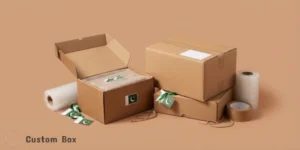
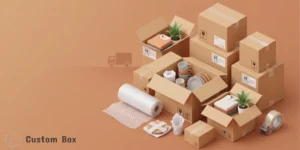
Boxes alone don’t make a successful move — the materials you pack around and inside them matter just as much. Bubble wrap and packing tape are the two non-negotiables of any moving supplies checklist, since fragile items need cushioning and every box needs to be sealed securely enough to survive being stacked, shifted, and occasionally dropped during transit. A sturdy bubble wrap roll paired with reliable packaging tape covers the vast majority of your protective packing needs without overcomplicating things.
Beyond these basics, a few supporting materials make a noticeable difference: packing paper or kraft paper for wrapping dishes and glassware, labels or markers for identifying box contents by room, and sturdy rope for reinforcing particularly heavy boxes during transport. If you’re dealing with genuinely delicate items — fine china, glass décor, framed art — our detailed walkthrough on how to pack fragile items safely covers techniques that go well beyond just “wrap it in newspaper and hope for the best.”
For a one-stop solution, browsing a dedicated packing materials category alongside your box order saves you the hassle of sourcing tape, wrap, and rope from three different places the week before your move.
⚠️ Common Mistakes People Make When Estimating Boxes
Even careful planners stumble into a few predictable traps when figuring out their boxes required for shifting. The most frequent one is forgetting about “invisible” storage — the junk drawer, the top shelf of the closet, the stuff crammed under the bed — which almost always adds several extra boxes beyond the initial estimate. Another common misstep is assuming one box size fits all situations, which leads to either overloaded boxes that strain and tear, or wasted space in oversized boxes carrying lightweight items.
People relocating long-distance or internationally also tend to underestimate how differently their packaging needs to perform compared to a local move across town. If your move involves courier shipment or international transit, sturdier options like DHL shipping boxes are built to handle the extra handling and distance far better than standard household cardboard, which matters a lot when you won’t be the one personally carrying each box.
👷 Pro Tips from Professional Packers and Movers
Anyone who’s worked alongside professional packers and movers will tell you that experience teaches a few shortcuts that aren’t obvious to first-timers. Packing room by room — rather than jumping between spaces — keeps similar items grouped together, which makes unpacking at the new place dramatically faster and more organized. Labeling each box with both its destination room and a brief content summary (“Kitchen – mugs & utensils”) saves enormous time during the chaos of moving day, when nobody wants to open five boxes just to find a phone charger.
Professionals also tend to pack heavier items at the bottom of boxes and lighter ones on top, keep a personal “essentials box” separate from the rest (containing chargers, toiletries, and a change of clothes), and never seal a box so full that the lid bulges, since that’s a near-guarantee of a split seam somewhere during transport. These small habits, applied consistently across your house moving checklist, are what separate a smooth moving day from a stressful one.
❓ Frequently Asked Questions
How many boxes do I need to move a 1 bedroom apartment? Most 1-bedroom apartments need between 25 and 35 boxes in total, with a balanced mix of small, medium, and large sizes depending on how much furniture-adjacent clutter and kitchen items you own.
How many boxes for a 2 bedroom house move? A typical 2-bedroom house requires roughly 40 to 55 boxes, with kitchen and bedroom items usually accounting for the largest share of that total.
How many boxes for a 3 bedroom house move? Expect somewhere between 60 and 80 boxes for a standard 3-bedroom home, though this number rises if you have a garage, store room, or significant seasonal storage.
What size boxes should I use for moving? Use small boxes for heavy, dense items like books; medium boxes for general kitchen and household items; and large boxes only for lightweight bulky items like bedding and pillows.
How many boxes do you need to pack a kitchen? Most kitchens require 15 to 20 boxes due to the sheer number of fragile dishware, small appliances, and pantry items that need individual protection.
How do I calculate moving boxes needed for my home? A reliable baseline is 1.5 to 2 boxes per 100 square feet of living space, adjusted up or down based on how much you own, then rounded up by 10-15% as a safety margin.
🎯 Final Thoughts & Your Next Step
Figuring out exactly how many home shifting boxes you need doesn’t have to be a stressful guessing game. By breaking your estimate down room by room, understanding which box sizes suit which items, and padding your final number with a small safety margin, you’ll walk into moving day with confidence instead of chaos. The small amount of time spent planning this upfront pays off tenfold when you’re not scrambling for extra boxes at 10 PM the night before your move.
If you’re ready to start packing with the right supplies on hand, explore our full range of home shifting boxes in multiple sizes, along with tape, bubble wrap, and rope, all available through a trusted packaging supplier in Karachi ready to deliver exactly what your move needs.