Kraft Paper Bags
 Kraft Standup Pouches
 Kraft Bowls
 Kraft Food Boxes
 SOS Paper bag
 Bottles & Jars
 Eco Products
 Accessories
Every fast food brand knows that flavor sells, but presentation keeps customers coming back. A dip sauce container might look like a tiny, forgettable part of the packaging lineup, but it actually plays a surprisingly big role in how customers perceive your food, your hygiene standards, and even your brand’s attention to detail. Whether it’s a side of garlic mayo with fries or a tangy chili sauce with wings, the container holding that sauce either enhances the eating experience or creates a messy, frustrating one. For restaurants, cloud kitchens, and QSR chains across Pakistan, picking the right sauce packaging is no longer an afterthought — it’s a strategic packaging decision.
In this guide, we’ll walk through everything fast food brands need to know about choosing the best dip sauce containers, from material types and leak-proof designs to branding opportunities and sustainability trends shaping the industry in 2026.
🍟 Why the Right Dip Sauce Container Matters More Than You Think
Think about the last time you ordered a burger meal with a side of sauce that spilled all over the bag before you even got home. That one small leak can overshadow an otherwise great meal. This is exactly why sauce containers for restaurants need to be chosen with the same care as the main food packaging itself.
A well-designed dip sauce container protects flavor integrity, prevents cross-contamination between food items, and keeps delivery bags clean during transport. For fast food brands specifically, where volume is high and turnaround time is fast, the container also needs to be quick to fill, easy to seal, and cost-effective at scale. Beyond functionality, it’s also a quiet branding opportunity — a custom-printed lid or a sleek, clear cup can subtly reinforce brand identity every single time a customer opens their order.
Brands that get this right often start by browsing a dedicated dip sauce container collection that already caters to food-service volume and hygiene standards, rather than improvising with generic containers that weren’t built for sauce at all.
🧴 Types of Dip Sauce Containers Used by Fast Food Brands
Not all sauce containers are built the same way, and understanding the differences helps brands pick packaging that matches their menu and order volume.
Souffle cups are the most common choice across quick-service restaurants. These small, cone-shaped or straight-walled cups are inexpensive, stackable, and available in multiple sizes — typically 1oz, 2oz, and 4oz — making them perfect portion control cups for ketchup, mayo, or specialty dips. Their simplicity makes them a favorite for high-volume kitchens that need speed above all else.
Hinged lid containers offer a step up in convenience. Because the lid is attached, there’s no risk of losing a separate cap during packing or delivery, and customers find them easier to open one-handed while eating on the go. This design has become increasingly popular for dips that need a slightly more secure seal, such as creamy or oil-based sauces that are prone to spilling if the lid pops loose.
Snap-on lid cups and clear plastic sauce cups are often chosen when brands want visual appeal — customers can see the color and texture of the sauce before opening it, which subtly builds trust in freshness. Many Pakistani fast food brands also love pairing a transparent cup with their fries packaging, similar to the setup seen in a fries cone with ketchup combo, where the sauce and fries arrive together as one tidy unit.
For brands focused on sustainability, compostable condiment cups and biodegradable sauce cups made from plant-based materials are gaining real traction, especially as more consumers actively look for eco-conscious packaging choices.
🛡️ What Actually Makes a Container “The Best” Choice
When fast food owners ask what separates an average sauce container from the best dip sauce container, the answer usually comes down to three things: sealing performance, material safety, and consistency at scale.
Leak-Proof vs. Spill-Proof Design
These two terms often get used interchangeably, but there’s a subtle difference. A leak-proof sauce container prevents liquid from escaping even when tilted or stacked, which matters enormously during delivery. A spill-proof design, on the other hand, focuses on preventing accidental overflow when the lid is opened by the customer. The best packaging combines both — a tight-sealing lid for transport and a controlled opening mechanism for easy, mess-free use. This is particularly critical for delivery-heavy brands, where containers get stacked inside bags for 20-30 minutes before reaching the customer.
Food-Grade Material and Compliance
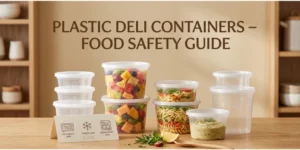
Material safety isn’t optional — it’s foundational. Containers made from food-grade plastic, whether PP (Polypropylene) or PET, must be free from harmful chemicals and ideally BPA-free to meet food packaging compliance standards. This matters even more for brands that serve hot sauces or oil-based dips, since some lower-grade plastics can react with heat or fat content over time. Restaurants that take food safety seriously often reference detailed resources like this food safety guide for plastic containers before finalizing their supplier.
Branding Opportunities Through Custom Printing
A dip sauce container doesn’t have to be purely functional. Custom printed lids, branded cup designs, and even color-coded containers (to differentiate sauces at a glance) have become a quiet but effective marketing tool. For brands already investing in custom food packaging boxes, extending that same branding consistency to sauce containers creates a more polished, premium unboxing experience — something customers notice even if they can’t quite articulate why the meal “felt” more professional.
🌱 Sustainability Is Reshaping Sauce Packaging Decisions
Eco-friendly packaging isn’t a passing trend anymore — it’s becoming an expectation, especially among younger, urban consumers in Pakistan who are increasingly conscious about plastic waste. Many fast food brands are now exploring biodegradable sauce cups and recyclable plastic containers as part of their broader sustainability strategy, often alongside other green initiatives already covered in guides like eco-friendly custom packaging options.
The shift makes sense from a business perspective too. Sustainable foodservice packaging often strengthens brand perception, supports export compliance where applicable, and increasingly influences customer loyalty — particularly for brands trying to position themselves as modern, responsible, and forward-thinking. That said, sustainability shouldn’t come at the cost of performance; a compostable cup that leaks defeats its own purpose. The smartest approach is balancing eco-materials with proven leak-resistant engineering.
📦 Disposable, Bulk, or Custom — What Should Fast Food Brands Choose?
This is where most brands get stuck, and understandably so, because the right answer depends entirely on order volume and growth stage.
Smaller cafes and newer cloud kitchens often start with disposable sauce containers purchased in moderate quantities — flexible, affordable, and low-commitment while the brand is still testing its menu and customer response. As order volume grows, switching to wholesale sauce containers or bulk packaging solutions becomes more cost-efficient per unit, significantly reducing packaging costs over time. Established fast food chains and multi-branch QSR brands, however, usually move toward custom sauce containers — printed with logos, brand colors, or even sauce-specific labeling — because at that scale, branding consistency across every single touchpoint becomes part of the overall customer experience strategy.
Brands scaling up delivery operations often pair this decision with broader packaging planning, similar to what’s outlined in how to choose the right packaging for your food business, ensuring sauce containers align visually and functionally with the rest of their packaging lineup.
🏆 Quick Comparison: Popular Dip Sauce Container Types
To make the decision easier, here’s a simple side-by-side look at how the most common container types stack up against each other.
| Container Type | Best For | Key Advantage |
|---|---|---|
| Souffle / Portion Cups | High-volume QSRs | Low cost, stackable, fast filling |
| Hinged Lid Containers | Delivery-focused brands | Secure seal, no lost lids |
| Clear Plastic Sauce Cups | Dine-in & visual appeal | Shows sauce freshness and color |
| Compostable Condiment Cups | Eco-conscious brands | Biodegradable, sustainable image |
As the table shows, there isn’t a single “perfect” container — the best choice always depends on how the brand operates, whether that’s fast-paced dine-in service or longer delivery windows where leak resistance matters most.
💡 Practical Tips Before Placing a Bulk Order
Before finalizing any supplier, it helps to think through a few practical details rather than just comparing prices.
- Always request a sample unit first to physically test the lid seal and material thickness before committing to a bulk order.
- Check whether the container is microwave-safe or freezer-safe if your menu includes sauces that need reheating or cold storage.
- Confirm portion cup sizes (1oz, 2oz, 4oz) match your actual sauce usage to avoid overfilling or waste.
- Ask about minimum order quantities, especially if you’re exploring custom printed lids for the first time.
These small checks save brands from costly reordering mistakes later, particularly when switching suppliers mid-season. Many Pakistani restaurant owners also prefer working with established local manufacturers, and resources like trusted packaging suppliers in Karachi can be a useful starting point for comparing options regionally.
🧾 How This Fits Into Your Overall Fast Food Packaging Strategy
A dip sauce container rarely exists in isolation — it’s one piece of a much larger packaging ecosystem that includes burger boxes, fries pockets, and delivery bags. Brands that treat packaging holistically, rather than ordering each item separately from different vendors, tend to achieve a more consistent brand look and often negotiate better bulk pricing overall. If your fries packaging already uses a kraft fries pocket, matching that earthy, kraft-style aesthetic with your sauce cups creates a cohesive visual identity that customers subconsciously associate with quality.
For brands actively comparing broader packaging categories — including trays, boxes, and containers — a deeper look at best fast food packaging for restaurants offers useful context on how sauce containers fit within the bigger picture of restaurant packaging decisions.
✅ Final Thoughts
Choosing the best dip sauce container isn’t about picking the cheapest option on a supplier’s catalog — it’s about matching material quality, sealing performance, and branding potential to how your fast food brand actually operates day to day. Whether you’re a small cloud kitchen testing a new sauce menu or an established QSR chain scaling across multiple cities, the right container quietly protects both your food and your reputation with every single order.
If you’re ready to upgrade your sauce packaging, explore the full dip sauce container range or browse the complete packaging shop to find leak-proof, custom-branded options built specifically for fast-paced food businesses.
❓ Frequently Asked Questions
1. What is the best dip sauce container for fast food delivery? Hinged lid containers are generally the best choice for delivery, since the attached lid reduces the risk of spills during transport, while clear plastic sauce cups work well for dine-in service where visual appeal matters more.
2. Are disposable sauce containers safe for hot sauces? Yes, as long as they are made from food-grade plastic like PP (Polypropylene), which is heat-resistant and commonly used for warm or oil-based dips without reacting chemically.
3. What sizes do dip sauce containers usually come in? Standard portion cup sizes include 1oz, 2oz, and 4oz, with brands choosing the size based on how much sauce is typically served per order.
4. Can fast food brands get custom branded sauce containers? Absolutely. Many suppliers offer custom printed lids and branded cup designs, allowing restaurants to maintain consistent branding across every packaging touchpoint, including sauce containers.
5. Are eco-friendly sauce containers as effective as plastic ones? Modern compostable and biodegradable sauce cups have improved significantly and can match plastic performance in most cases, though it’s worth testing samples first to confirm leak resistance for your specific sauce type.