Kraft Paper Bags
 Kraft Standup Pouches
 Kraft Bowls
 Kraft Food Boxes
 SOS Paper bag
 Bottles & Jars
 Eco Products
 Accessories
Starting or growing a food business is exciting — but one decision that trips up almost every food entrepreneur is packaging. Knowing how to choose right packaging for food business isn’t just about picking something that “looks nice.” It directly affects food safety, shelf life, customer perception, and your bottom line. Whether you’re running a home bakery, a restaurant, a snack brand, or a cloud kitchen, this complete food business packaging guide will walk you through everything — from materials and types to costs, regulations, and branding. Let’s unpack it all, step by step.
🍕 Why Packaging Matters More Than You Think
Most food business owners focus heavily on the recipe and taste — which is absolutely right. But here’s the reality: your packaging is the first thing a customer sees before they ever taste your food.
Think about it. When someone orders from your restaurant or picks up your product from a shelf, the packaging creates the first impression. A poorly chosen box can make premium food look cheap. Worse, the wrong material can compromise food safety, reduce shelf life, or even cause contamination.
Here’s why packaging is a critical business decision:
- Food safety — The wrong material can leach chemicals into food or fail to protect against bacteria
- Shelf life — Proper airtight or moisture-resistant packaging keeps food fresh longer
- Brand identity — Custom food packaging communicates your brand’s personality and professionalism
- Customer experience — Easy-to-open, attractive packaging creates a memorable unboxing moment
- Legal compliance — Food packaging regulations require specific labeling and material standards
- Sustainability — Eco-friendly food packaging is increasingly demanded by modern consumers
In short: packaging isn’t just a container — it’s a marketing tool, a safety mechanism, and a brand ambassador all in one.
📦 Step 1 — Understand Your Food Product First
Before you browse any packaging catalog, you need to deeply understand what you’re packaging. Different foods have completely different requirements.
🌡️ Consider the Nature of Your Food
Ask yourself these questions:
- Is your food hot or cold when served/delivered?
- Does it have high moisture content (curries, soups, beverages)?
- Is it dry and crunchy (cookies, chips, snacks)?
- Does it need to stay frozen?
- Is it oily or greasy (fried items, biryani)?
- How long does it need to stay fresh (hours vs. days vs. weeks)?
For example:
- Hot food like biryani or karahi needs heat-resistant food containers — aluminium foil containers are perfect for this
- Bakery items like cakes and cupcakes need rigid, structured bakery packaging that protects shape and decoration
- Dry snacks and coffee need airtight kraft standup pouches with moisture barriers
- Cold drinks and juices need leak-proof cold drink cups or spout pouches
📏 Consider Portion Size and Quantity
Packaging for homemade food business often starts small — single portions, small batches. As you scale, your packaging needs change. Always choose packaging that matches your standard portion sizes to avoid waste and reduce packaging cost for food business.
🧱 Step 2 — Know Your Food Packaging Materials
This is where most beginners get confused. There are many food packaging materials available, each with its own strengths, weaknesses, and ideal use cases.
📄 Paper & Kraft Packaging
Best for: Bakery items, sandwiches, burgers, dry snacks, cookies, takeaway
Kraft paper is one of the most popular food packaging materials today — and for good reason. It’s:
- Eco-friendly and biodegradable
- Grease-resistant when coated
- Lightweight and cost-effective
- Ideal for branding with printing
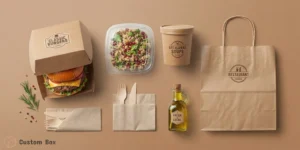
Popular kraft options include kraft bowls with lids, kraft paper bags, kraft standup pouches, and kraft food boxes.
For bakeries specifically, kraft sandwich boxes with windows and kraft single burger boxes are excellent choices that look premium without breaking the budget.
🧴 Plastic Packaging
Best for: Beverages, sauces, jams, pickles, frozen food, transparent display
Plastic packaging remains widely used because of its:
- Transparency (customers can see the product)
- Durability and leak-proof nature
- Lightweight and affordable cost
- Versatility across food types
Food-safe plastic options include round plastic jars for honey, spices, and jams; transparent food containers for salads and deli items; black food containers for restaurant-style presentation; and deli containers for takeaway meals.
Important: Always use food grade materials — plastics labeled food-safe (BPA-free, food-grade PP or PET). Never use regular industrial plastic for food.
🌿 Eco-Friendly & Sustainable Packaging
Best for: Brands targeting health-conscious, environmentally aware customers
Sustainable packaging solutions are no longer a trend — they’re a customer expectation. Options include:
- Compostable packaging — breaks down naturally
- Biodegradable food containers — made from sugarcane, bamboo, or cornstarch
- Recyclable food packaging — paper-based or specific plastics
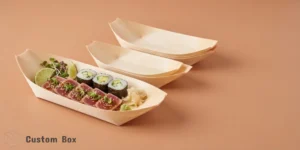
A great eco-friendly option is compostable 3-compartment biodegradable paper plates and wooden boat serving trays — perfect for food stalls, events, and eco-conscious restaurants.
Is eco-friendly packaging good for food business? Absolutely yes — it builds brand trust, appeals to premium customers, and increasingly aligns with regulatory direction.
🥫 Aluminium & Foil Packaging
Best for: Hot food, frozen meals, retort/sterilized products, long shelf life
Aluminium is heat resistant, moisture resistant, and provides excellent barrier properties. It’s ideal for:
- Ready-to-eat meals
- Frozen food packaging
- Catering and bulk food delivery
Aluminium foil containers are a staple for restaurants and catering businesses. For snacks and coffee brands, aluminium standup pouches and black standup pouches with aluminium lamination offer excellent shelf life protection.
🥡 Flexible Pouches & Stand-Up Bags
Best for: Snacks, coffee, tea, dry fruits, spices, pickles, sauces
Stand-up pouches are one of the fastest-growing food packaging trends globally. They:
- Stand upright on shelves (great for retail display)
- Come with resealable zippers for freshness
- Have excellent moisture and oxygen barrier properties
- Look premium and are highly brandable
Options available include:
- Kraft standup pouches in brown, white, and black
- Golden standing pouches with window for premium dry fruits and chocolates
- Spout pouches for juices, sauces, and liquid foods
- Retort pouches for heat-processed, long shelf-life products
- Standup pouches for pickle for achaar and condiments
🥫 Tin Boxes
Best for: Dry fruits, chocolates, cookies, gift packaging, premium products
Tin boxes offer a premium, reusable packaging experience. They’re excellent for gifting and high-end product lines. Round tin boxes and square tin boxes are popular for Eid gifts, corporate hampers, and premium dry fruit packaging.
📊 Food Packaging Materials — Quick Comparison
Here’s a side-by-side overview to help you decide faster:
| Material | Best For | Key Benefit | Eco-Friendly? |
|---|---|---|---|
| Kraft Paper | Bakery, snacks, takeaway | Biodegradable, brandable | ✅ Yes |
| Plastic (Food Grade) | Beverages, sauces, frozen | Transparent, durable | ⚠️ Partially |
| Aluminium Foil | Hot food, frozen meals | Heat resistant, long shelf life | ⚠️ Recyclable |
| Stand-Up Pouches | Coffee, spices, dry fruits | Airtight, resealable | ✅ Options available |
| Tin Boxes | Premium gifts, dry fruits | Reusable, premium look | ✅ Reusable |
| Biodegradable/Compostable | Events, eco brands | Fully sustainable | ✅ Yes |
🎨 Step 3 — Choose the Right Type of Packaging for Your Food Category
Now let’s match packaging types to specific food business categories.
🎂 Bakery & Cake Business
For bakeries, packaging must protect delicate decorations while looking beautiful. Key options:
- Cake boxes in various sizes with transparent windows
- Cake boards and cake drum boards for structural support
- Cupcake boxes — single, 3, 4, 6, 9, and 12 cavity options
- Brownie boxes for brownies and petit fours
- White and golden cake boards for premium presentation
- Kraft paper cookies bags for cookies and baked snacks
- Side gusseted flat bottom pouches for bakery items for packaged cookies and biscuits
Pro Tip: A long cupcake box with 12 cavity is perfect for bulk cupcake orders and corporate gifting.
🍕 Restaurant & Takeaway Business
Restaurant packaging ideas need to balance speed, heat retention, and brand presentation:
- Pizza boxes — available in 4-corner and 6-corner styles, including customized pizza boxes
- Kraft burger boxes for burgers and sandwiches
- Aluminium foil containers for hot meals, biryani, and curries
- Coffee cups — double wall insulated options in 8oz and 12oz
- Cold drink cups for beverages and shakes
- Kraft fries pockets and french fries cones for street food and fast food
- Coffee transparent handle bags for drink carriers
- Kraft 4-cup drink carriers for delivery orders
☕ Coffee & Beverage Brand
For coffee roasters, tea brands, and beverage businesses:
- Black standup pouches with valve — the valve releases CO2 from freshly roasted coffee
- White standup pouches with valve for tea and herbal blends
- Spout pouches for liquid beverages and juices
- Coffee cups with lids for café service
- Paper straws as an eco-friendly alternative to plastic straws
🍯 Home-Based Food Business (Homemade Products)
Packaging for homemade food business needs to be affordable, food-safe, and attractive enough to compete with commercial brands:
- Kraft standup pouches for homemade spices, dry fruits, and snacks
- Round plastic jars for jams, pickles, honey, and sauces
- Golden tin boxes for premium gifting products
- Acrylic dry fruit boxes for premium dry fruit presentation
- SOS paper bags for bulk snack packaging
- Kraft paper bags with twisted rope handles for gifting and retail
🥩 Meat, Deli & Fresh Food Business
- White and black meat trays for fresh meat display and packaging
- Transparent food containers for deli items and salads
- Hinged deli boxes for ready-to-eat meals
- Retort pouches for heat-processed meat products with extended shelf life
💰 Step 4 — Factor in Packaging Cost for Your Food Business
One of the most common questions is: how to reduce packaging cost in food business?
Here are practical strategies:
Buy in Bulk
Wholesale food packaging suppliers offer significant discounts on bulk orders. Buying 500 or 1,000 units instead of 50 can cut per-unit cost by 30–50%.
Match Packaging to Product Size
Oversized packaging wastes material and money. Always match your packaging dimensions to your product’s actual size.
Start with Standard Sizes
Custom food packaging looks amazing but costs more. When starting out, use standard-size packaging and add a custom sticker or label for branding — this gives a branded look at a fraction of the cost.
Prioritize Multi-Use Packaging
Choose packaging that works across multiple products in your range. For example, a kraft standup pouch can be used for spices, dry fruits, coffee, and snacks — just change the label.
Compare Material Costs
| Packaging Type | Relative Cost | Best Budget Use Case |
|---|---|---|
| Kraft paper bags/pouches | Low–Medium | Snacks, bakery, takeaway |
| Plastic containers | Low | Sauces, frozen, beverages |
| Aluminium foil containers | Medium | Hot food, catering |
| Stand-up pouches | Medium | Coffee, spices, dry fruits |
| Tin boxes | High | Premium gifting |
| Custom printed packaging | High | Established brands |
🏷️ Step 5 — Branding & Food Packaging Design Tips
Your packaging is your silent salesperson. Here are the most effective food packaging design tips:
Keep It Clean and Readable
- Use large, clear fonts for product name and key information
- Don’t overcrowd the design — white space is your friend
- Use 2–3 brand colors consistently
Include All Required Information
Good food packaging labels should include:
- Product name
- Ingredients list
- Net weight/volume
- Manufacturing and expiry date
- Storage instructions
- Business name and contact
- Nutritional information (for retail products)
Use Packaging That Shows the Product
Transparent windows build customer trust. Cake boxes with transparent windows, clear front kraft pouches, and transparent sandwich boxes let customers see exactly what they’re buying.
Invest in Custom Packaging When Ready
Once your brand is established, customized pizza boxes and custom-printed coffee cups create a powerful brand impression. Branded food packaging increases repeat purchases and word-of-mouth marketing significantly.
✅ Step 6 — Food Packaging Regulations in Pakistan
Understanding food packaging regulations is non-negotiable for any food business operating in Pakistan.
Key requirements include:
- Food-grade materials only — all packaging in contact with food must be certified food-safe
- Labeling requirements — product name, ingredients, weight, manufacturing date, expiry date, and manufacturer details are mandatory for retail products
- PSQCA standards — Pakistan Standards and Quality Control Authority sets packaging material standards
- Halal certification — required for meat and processed food products
- No toxic inks or dyes — printing on food packaging must use food-safe inks
Always source packaging from reputable suppliers who provide food-grade certified materials. This protects your customers and shields your business from legal liability.
🌱 Step 7 — Eco-Friendly Packaging: The Future of Food Business
Sustainable packaging solutions are rapidly becoming a competitive advantage, not just a feel-good choice.
Why eco-friendly food packaging makes business sense:
- Premium customers pay more for brands that demonstrate environmental responsibility
- Regulatory pressure is increasing globally toward biodegradable and compostable packaging
- Social media appeal — sustainable packaging gets shared and praised online
- Long-term cost savings — many compostable options are now competitively priced
Eco-friendly options to consider:
- Compostable biodegradable paper plates for events and food stalls
- Wooden boat serving trays for restaurants and food festivals
- Kraft paper bags instead of plastic carry bags
- Paper straws instead of plastic straws
- Wooden cutlery — spoons, forks, and knives from birchwood
- Kraft bowls with lids for soups, salads, and hot meals
🔑 Primary vs Secondary Food Packaging — What’s the Difference?
A question that often comes up: what is the difference between primary and secondary food packaging?
- Primary packaging — directly contacts the food (the pouch, jar, container, or box the food sits in)
- Secondary packaging — groups primary packages together (a cardboard box holding 12 pouches, a paper bag carrying a cake box)
- Tertiary packaging — used for bulk shipping and transport (corrugated boxes, pallets)
For most small food businesses, you’ll primarily deal with primary and secondary packaging. Your food packaging category needs should cover both levels for a complete, professional packaging system.
💡 Quick Decision Checklist — Choosing the Right Packaging
Use this checklist before finalizing any packaging decision:
- Is the material food-grade and food-safe?
- Does it protect the food from moisture, heat, contamination?
- Is it the right size for your portion?
- Does it fit your budget at the quantity you need?
- Does it represent your brand well?
- Is it easy for customers to open, carry, and use?
- Does it comply with local food packaging regulations?
- Is it as eco-friendly as your budget allows?
- Can it be customized or labeled with your brand?
- Does it maintain food freshness for the required duration?
🏁 Conclusion — Packaging Is an Investment, Not an Expense
Choosing the right packaging for your food business is one of the most impactful decisions you’ll make as a food entrepreneur. The right packaging protects your food, builds your brand, satisfies your customers, and keeps you legally compliant — all at the same time.
Start by understanding your food’s specific needs, then match the material and type to those requirements. Factor in your budget, your target customer, and your brand identity. And as your business grows, invest in custom branded food packaging to create a truly memorable customer experience.
The good news? You don’t have to figure it all out alone. Whether you need bakery packaging, food packaging boxes, kraft standup pouches, pizza boxes, or eco-friendly options — everything you need is available in one place.
🛒 Ready to Find the Perfect Packaging for Your Food Business?
Browse our complete food packaging collection at CustomBox.pk — Pakistan’s trusted source for food-grade, affordable, and premium packaging solutions.
From home bakers to large restaurants, we have packaging for every food business, every budget, and every brand. Shop now and give your food the packaging it deserves.