Kraft Paper Bags
 Kraft Standup Pouches
 Kraft Bowls
 Kraft Food Boxes
 SOS Paper bag
 Bottles & Jars
 Eco Products
 Accessories
If you’ve ever opened a jar of almonds after a few weeks and noticed they taste slightly “off,” you already know the frustration. How to keep dry fruits fresh isn’t just a kitchen curiosity — it’s a genuine challenge that affects taste, nutrition, and money, since dry fruits like almonds, cashews, pistachios, walnuts, and raisins aren’t exactly cheap. The good news? Freshness almost always comes down to one overlooked factor: the packaging you store them in. Get the pouch right, and your dry fruits stay crunchy, flavorful, and nutrient-rich for months. Get it wrong, and even the highest quality nuts turn stale within weeks.
In this guide, we’ll break down exactly why dry fruits lose freshness, what features the best pouch for dry fruits should have, and how you can apply these tips whether you’re storing snacks at home or packaging products for your business.
🌰 Why Freshness Matters for Dry Fruits
Dry fruits are naturally rich in healthy oils and fats — which is exactly why they’re nutritious, and exactly why they’re vulnerable. These oils react with oxygen over time, a process called oxidation, leading to rancidity. Once rancid, dry fruits develop a bitter, stale taste and lose much of their nutritional value.
Here’s what accelerates spoilage:
- Oxygen exposure – triggers oxidation and rancidity in nuts like almonds and walnuts
- Moisture – causes mold growth, especially in humid climates
- Light exposure – breaks down natural oils faster
- Temperature fluctuations – speeds up chemical degradation
- Poor sealing – lets air and humidity creep in gradually
The shelf life of dry fruits can range from a few weeks to over a year — and packaging is the single biggest variable in that equation.
❌ Common Mistakes That Ruin Dry Fruit Freshness
Before jumping into solutions, it helps to know what not to do. Most people unknowingly shorten the shelf life of their dry fruits through simple habits:
- Storing nuts in open bowls or loosely tied bags
- Using thin plastic bags with no barrier properties
- Keeping dry fruits near the stove or in direct sunlight
- Repeatedly opening and closing non-resealable packaging, letting air in each time
- Buying in bulk without proper pantry storage containers to portion them out
If any of these sound familiar, don’t worry — the fix is simpler than you’d think.
📦 What Makes the Right Pouch for Dry Fruits?
Not all packaging is created equal. The best pouch for dry fruits needs to actively work against oxidation, moisture, and contamination. Here’s what to look for:
1. Airtight Sealing
An airtight pouch for dry fruits blocks oxygen from reaching the contents, which is the single most important factor in preventing rancidity. Look for pouches with a strong heat seal or a reliable zip closure.
2. Moisture-Proof Packaging
Humidity is enemy number one in countries with warm, humid climates. Moisture-proof packaging with a foil or laminated layer prevents dampness from seeping in and causing mold or clumping.
3. Resealable Design
A resealable pouch for dry fruits — like a zip lock pouch — lets you open and reseal the pack multiple times without compromising freshness. This is especially useful for households that don’t finish a pack in one sitting.
4. Oxygen Barrier Material
Materials with a strong oxygen barrier, such as aluminum foil laminate or mylar bags, dramatically slow down the oxidation process compared to standard plastic.
5. Food-Grade Certification
Always choose food-grade packaging that’s safe for direct contact with edibles, free from harmful chemicals that could leach into your dry fruits over time.
🏆 Best Pouch for Dry Fruits: Types to Consider
Now that you know what features matter, let’s look at the actual pouch types available and where each one shines.
Stand-Up Pouches
A stand-up pouch is one of the most popular formats for dry fruit packaging — and for good reason. It stands upright on shelves, uses less material than rigid containers, and typically comes with a strong seal. Custom Box PK’s kraft standup pouches collection offers multiple sizes suited for everything from small snack portions to bulk quantities.
Kraft Paper Pouches
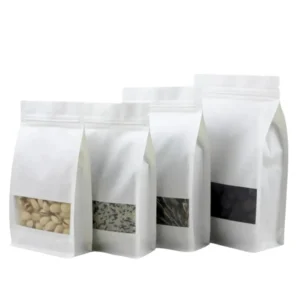
If you prefer a natural, eco-friendly look, a kraft paper pouch combined with an internal aluminum lining gives you the best of both worlds — sustainable appearance with genuine freshness protection. These are especially popular for premium dry fruit brands aiming for a rustic, authentic packaging aesthetic, such as the brown kraft standup pouch with window, which also lets customers see the product before buying.
Aluminum Foil & Mylar Pouches
For maximum protection, mylar bags and aluminum foil pouches offer an almost impenetrable barrier against light, oxygen, and moisture. These are ideal for long-term storage or export-quality packaging. Custom Box PK’s aluminium foil standup pouch range is built specifically for this kind of extended freshness protection.
Clear Zip Lock Pouches
For everyday home use or retail display, a zip lock pouch with a transparent front allows customers to see the product while still benefiting from a resealable, airtight closure. Check out the clear standup pouch options for a practical, visually appealing solution.
Premium Gifting Pouches
If you’re packaging dry fruits as gifts — common during Eid, weddings, or corporate hampers — a touch of elegance goes a long way. The golden standing pouch with window combines premium aesthetics with functional freshness sealing, making it a favorite for gourmet dry fruit brands.
🏠 How to Store Dry Fruits at Home (Step-by-Step)
Wondering how to store dry fruits at home the right way? Follow this simple routine:
- Buy in reasonable quantities – avoid over-purchasing unless you have proper long-term storage
- Transfer immediately into an airtight, resealable pouch or container
- Squeeze out excess air before sealing, especially with zip lock pouches
- Store in a cool, dark place — pantry storage away from direct sunlight and heat sources
- Keep away from strong odors — dry fruits can absorb smells from nearby spices or food
- Label with purchase date so you always know how long they’ve been stored
- Refrigerate for extended shelf life if you live in a particularly humid climate
If you’re storing dry fruits for display or easy daily access, a round acrylic bowl with a tight lid works beautifully alongside your resealable pouch — perfect for keeping snacks fresh right on the kitchen counter.
🔬 Extending Shelf Life: Advanced Freshness Techniques
If you’re a business owner or someone who buys dry fruits in bulk, a few advanced techniques can significantly extend the shelf life of dry fruits:
- Nitrogen flushed packaging – replacing oxygen inside the pouch with nitrogen gas before sealing dramatically slows oxidation
- Vacuum sealed bags – removing all air creates an environment where mold and oxidation simply can’t thrive
- Freshness seal technology – multi-layer laminated pouches with an added freshness seal lock in aroma and crunch
- Humidity control packets – small silica or moisture-absorbing sachets placed inside the pouch help manage internal humidity
- Portion control packaging – smaller individual pouches reduce the number of times air contaminates the entire batch
For businesses specifically packaging almonds, cashews, or mixed dry fruits, the acrylic dry fruit collection offers a premium retail-ready presentation combined with functional freshness — a great option if you’re selling gift boxes or gourmet assortments.
🎁 Choosing the Right Packaging for Your Business or Home
The right choice really depends on your specific need:
| Use Case | Recommended Pouch Type |
|---|---|
| Everyday home storage | Clear zip lock pouch |
| Long-term bulk storage | Aluminum foil / mylar pouch |
| Eco-conscious branding | Kraft paper pouch with window |
| Premium gifting | Golden window standup pouch |
| Retail display | Acrylic dry fruit container or clear pouch |
Whatever your requirement, the underlying principle stays the same: prioritize airtight, moisture-proof, food-grade packaging with a reliable resealable closure. If you’re unsure which format suits your specific product line, browsing the full shop collection gives you a clear side-by-side comparison of available sizes and materials.
✅ Conclusion
At the end of the day, freshness isn’t about luck — it’s about packaging design done right. Whether you’re a home cook wanting to preserve a weekly snack stash or a business owner packaging premium dry fruits for retail, choosing the correct pouch directly determines how long your product stays crisp, flavorful, and nutritious. Focus on airtight sealing, moisture protection, and a strong oxygen barrier, and you’ll rarely deal with stale, rancid dry fruits again.
Ready to upgrade your dry fruit packaging? Explore Custom Box PK’s complete range of kraft standup pouches and foil standup pouches to find the perfect fit for your freshness and branding needs.
❓ Frequently Asked Questions
Q1: What is the best pouch for keeping dry fruits fresh? A stand-up pouch with an aluminum foil or mylar lining is generally the best choice, as it offers strong moisture and oxygen barrier protection while being resealable for repeated use.
Q2: How long do dry fruits stay fresh in a resealable pouch? When stored in a proper airtight, resealable pouch and kept in a cool, dry place, most dry fruits stay fresh for 6 to 12 months, depending on the type and packaging material.
Q3: Can I use regular plastic bags to store dry fruits? Regular plastic bags lack a proper oxygen and moisture barrier, so dry fruits stored this way tend to go stale or rancid much faster compared to specialized food-grade pouches.
Q4: Does refrigeration help extend the shelf life of dry fruits? Yes, refrigerating dry fruits in an airtight pouch or container can significantly slow oxidation, especially in hot and humid climates, extending freshness by several additional months.
Q5: What packaging material offers the best protection against moisture? Aluminum foil laminated pouches and mylar bags provide the strongest moisture-proof barrier, making them ideal for long-term dry fruit storage.