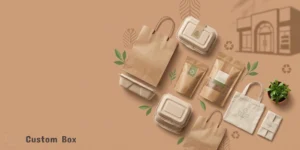
Kraft Paper Bags
 Kraft Standup Pouches
 Kraft Bowls
 Kraft Food Boxes
 SOS Paper bag
 Bottles & Jars
 Eco Products
 Accessories
Pakistan’s packaging industry is going through a quiet revolution, and brands that understand how to market eco-friendly packaging are the ones winning consumer trust right now. From Karachi’s bustling food markets to Lahore’s growing e-commerce scene, more buyers are asking a simple question before they purchase: is this packaging good for the planet? That shift in mindset is exactly why eco-friendly packaging Pakistan has become one of the fastest-growing conversations among SMEs, bakeries, cosmetic brands, and online sellers alike.
This guide walks you through everything you need to know — from understanding local consumer psychology to building marketing campaigns that actually convert skeptical buyers into loyal, eco-conscious customers.
🌱 Why Eco-Friendly Packaging Matters in Pakistan Right Now
Pakistan generates millions of tons of plastic waste every year, and public awareness around plastic pollution Pakistan has reached a tipping point. Government-led plastic bans in cities like Islamabad, combined with growing media coverage of climate change, have pushed environmental sustainability into everyday conversations — even among consumers who weren’t paying attention five years ago.
This cultural shift isn’t just an environmental story; it’s a business opportunity. Brands that align themselves with sustainable packaging Pakistan trends are tapping into a wave of goodwill that traditional plastic-first businesses simply can’t access anymore. Pakistani consumers increasingly associate biodegradable and recyclable materials with quality, care, and modern thinking — three things every brand wants to be known for.
If you’re exploring eco-friendly custom packaging solutions, now is genuinely one of the best times to make the switch, both for brand reputation and for long-term cost efficiency as demand scales.
🧠 Understanding Pakistani Consumer Behavior Toward Sustainability
Marketing eco-friendly packaging successfully starts with understanding how Pakistani consumer behavior actually works — because it’s more nuanced than simply “people love green products.”
In urban centers like Karachi, Lahore, and Islamabad, educated and younger consumers are far more likely to actively seek out eco-conscious shoppers‘ communities, follow sustainability influencers, and choose brands based on environmental values. In contrast, rural and semi-urban markets often prioritize price and functionality first, with sustainability acting as a secondary, “nice-to-have” factor. This urban vs rural consumer attitude towards sustainability gap is critical to understand before you build a national campaign.
What Actually Drives Purchase Decisions
Several factors consistently influence whether a Pakistani buyer chooses eco-friendly packaging over conventional options:
- Price sensitivity — many consumers want sustainability without a major cost increase
- Perceived quality — packaging that looks cheap, even if eco-friendly, can hurt brand perception
- Social proof — reviews, influencer endorsements, and word-of-mouth carry heavy weight
- Religious and cultural values — cleanliness and responsible consumption resonate strongly with local audiences
- Convenience — if sustainable packaging is harder to use or less durable, adoption slows down
Brands that address these five factors directly, rather than relying on vague “save the planet” messaging, tend to see far stronger conversion rates in the Pakistani market.
📦 Choosing the Right Eco-Friendly Packaging Solutions
Before any marketing campaign can succeed, your product itself needs to deliver on the promise. This is where selecting the right eco-friendly packaging solutions Pakistan businesses actually trust becomes essential. Options like brown kraft stand-up pouches have become especially popular among bakery, snack, and dry-fruit brands because they combine biodegradable materials with a premium, rustic aesthetic that photographs beautifully for social media.
For e-commerce sellers specifically, switching to kraft paper bags for eco-friendly e-commerce packaging solves two problems at once — it reduces plastic waste while giving unboxing experiences a warmer, more artisanal feel that customers love to share online.
Here’s a quick comparison of common eco-friendly packaging materials used across Pakistani industries:
| Material Type | Best For | Consumer Perception |
|---|---|---|
| Kraft paper & pouches | Bakery, snacks, cosmetics | Natural, premium, trustworthy |
| Biodegradable plastics | Food delivery, retail | Modern, convenient, eco-aware |
| Compostable paper plates | Catering, events | Practical and environmentally responsible |
| Reusable containers | Dry fruits, gifting | Long-term value, reduces repeat waste |
Choosing the right format depends heavily on your industry, but the common thread across all successful green packaging marketing campaigns is authenticity — the packaging needs to visibly look and feel sustainable, not just claim to be.
🎯 Proven Green Marketing Strategies for Pakistani Brands
Once your packaging foundation is solid, the real work begins: communicating that value to consumers in a way that resonates culturally and emotionally.
Content Marketing That Educates, Not Preaches
Pakistani consumers respond well to education-first content rather than guilt-based messaging. Instead of telling people “plastic is destroying the planet,” successful brands show practical comparisons — for example, highlighting the real environmental cost comparison between paper and plastic bags — so customers draw their own informed conclusions.
Influencer and Social Media Campaigns
Social media eco campaigns work particularly well on Instagram and TikTok, where Pakistani micro-influencers showcase unboxing experiences using sustainable packaging. Influencer marketing sustainability partnerships tend to perform best when influencers genuinely use the product rather than reading a scripted ad — audiences here are quick to spot inauthenticity.
Smart Use of Packaging as a Marketing Asset
Many brands overlook that packaging itself is one of the most powerful packaging as a marketing tool assets available. Every stand-up pouch, kraft bag, or printed box is essentially free advertising space that travels directly into a customer’s home and often onto their social media feed.
A few practical campaign ideas that have worked well for Pakistani SMEs include:
- Printing short sustainability facts directly on packaging
- Running “return the pouch, get a discount” reuse incentive programs
- Partnering with local eco-NGOs for co-branded awareness campaigns
- Creating short behind-the-scenes videos showing your sustainable sourcing process
💰 How to Sell Eco-Friendly Products in Pakistan Without Losing Price-Sensitive Customers
One of the biggest hurdles brands face when learning how to sell eco-friendly products in Pakistan is overcoming price resistance. Sustainable materials can cost more upfront, and many Pakistani consumers — understandably — are cautious about paying a premium for something perceived as optional.
The solution isn’t to hide the cost difference, but to reframe the value proposition. Rather than marketing eco-friendly packaging as “an extra cost for the environment,” position it as a quality upgrade that happens to also be sustainable. Highlighting durability, freshness preservation, or improved presentation often resonates far more effectively than pure environmental messaging alone.
For smaller businesses, exploring scalable SME packaging solutions through established eco packaging suppliers can also significantly reduce per-unit costs, making sustainable packaging financially viable even for budget-conscious brands just starting their eco packaging business Pakistan journey.
🏷️ Building a Trusted Eco-Friendly Brand Identity
Trust is the single biggest currency in Pakistan’s growing sustainability market. Consumers have seen enough vague “green” claims to be skeptical, so consumer trust in sustainability has to be earned through consistency, transparency, and visible proof — not just marketing copy.
A strong brand positioning strategy around sustainability typically includes:
- Clear sourcing information (where materials come from)
- Visible certifications or eco-labels where applicable
- Honest communication about what “eco-friendly” actually means for your specific product
- Consistent use of sustainable packaging across your entire product line, not just flagship items
If you’re serious about long-term credibility, investing time into building a trusted packaging brand pays dividends well beyond a single marketing campaign — it becomes the foundation of your entire customer relationship.
📊 A Practical Example: How a Karachi Bakery Made the Switch
Consider a mid-sized bakery in Karachi that previously used standard plastic packaging for cookies and pastries. After switching to kraft stand-up pouches and printing simple sustainability messaging on the packaging, the brand noticed two immediate changes: customers began photographing their orders more often for Instagram, and repeat purchase rates increased within three months.
The bakery didn’t need a massive marketing budget — it simply let the eco-friendly packaging benefits speak for themselves through better presentation, word-of-mouth sharing, and a few well-placed social media posts. This kind of organic, product-driven marketing is often far more effective in Pakistan than paid advertising alone, especially for food and bakery businesses where visual appeal directly drives sales.
⚖️ Common Challenges and How to Overcome Them
Even with strong demand growing, brands marketing sustainable packaging in Pakistan face real obstacles. Understanding these challenges upfront helps you plan smarter campaigns from day one.
| Challenge | Practical Solution |
|---|---|
| Higher material costs | Partner with local eco packaging suppliers for bulk pricing |
| Limited consumer awareness in smaller cities | Use simple, visual education rather than technical jargon |
| Skepticism around “greenwashing” | Be transparent about exactly what makes packaging eco-friendly |
| Inconsistent supply chain availability | Build relationships with multiple local manufacturers |
| Balancing durability with sustainability | Test materials like kraft and biodegradable plastics before full rollout |
Navigating these challenges well is often what separates brands that merely talk about sustainability from those that build a genuine competitive advantage around it.
🚀 The Future of Eco-Friendly Packaging Marketing in Pakistan
Looking ahead, the trajectory is clear. As awareness around sustainable development goals (SDGs) continues growing through government and NGO campaigns, and as more cities consider plastic restrictions similar to existing bans, demand for sustainable alternatives will only accelerate.
Staying ahead of broader packaging trends in Pakistan — including minimalist design, locally sourced materials, and circular economy packaging models — positions your brand not just as a follower of sustainability, but as a genuine industry leader. Understanding where the future of packaging in Pakistan is heading now gives your business a meaningful head start over competitors still relying on outdated plastic-first approaches.
💡 Final Thoughts: Turning Sustainability Into Sustainable Growth
Marketing eco-friendly packaging to Pakistani consumers isn’t about chasing a trend — it’s about recognizing a genuine, lasting shift in how people shop, think, and connect with brands. The businesses that succeed are the ones that combine authentic sustainable materials with culturally relevant messaging, realistic pricing strategies, and consistent brand trust-building.
Whether you’re a bakery exploring kraft pouches, an e-commerce seller rethinking your shipping materials, or a cosmetic brand building a premium green identity, the opportunity in eco-friendly packaging for Pakistani consumers has never been more promising.
Ready to make the switch? Explore Custom Box PK’s full range of eco-friendly custom packaging solutions and discover materials designed specifically for Pakistani businesses looking to grow sustainably.
❓ Frequently Asked Questions
Q1: What makes packaging “eco-friendly” in the Pakistani market? Eco-friendly packaging typically uses biodegradable, compostable, or recyclable materials like kraft paper, plant-based plastics, or reusable containers that reduce environmental impact compared to conventional single-use plastic.
Q2: Is eco-friendly packaging more expensive for small businesses in Pakistan? It can carry a slightly higher upfront cost, but partnering with local SME-focused suppliers and buying in bulk often brings pricing much closer to standard packaging, especially as demand continues growing.
Q3: Which Pakistani cities show the strongest demand for sustainable packaging? Karachi, Lahore, and Islamabad currently show the strongest consumer demand, driven by higher environmental awareness, social media influence, and stricter local plastic regulations.
Q4: How can small brands market eco-friendly packaging without a big budget? Focus on organic strategies like unboxing content, micro-influencer partnerships, and printing simple educational messaging directly on packaging to build authentic word-of-mouth momentum.
Q5: Do Pakistani consumers actually trust eco-friendly branding claims? Trust is growing but remains cautious. Brands that provide transparent sourcing information and consistent sustainable practices across their entire product line earn significantly more consumer trust than those making vague claims.