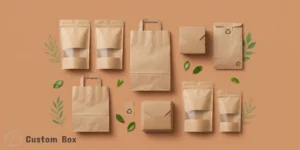
Kraft Paper Bags
 Kraft Standup Pouches
 Kraft Bowls
 Kraft Food Boxes
 SOS Paper bag
 Bottles & Jars
 Eco Products
 Accessories
Sustainable packaging in Pakistan is no longer a niche conversation reserved for environmental activists or multinational corporations — it has become a mainstream business priority. From small home-based bakeries in Lahore to large-scale exporters shipping products to Europe, companies across the country are rethinking how they wrap, protect, and present their goods. This shift isn’t just about following a global trend; it’s a response to real environmental pressure, changing consumer expectations, and tightening government regulations.
What makes this transition particularly interesting is the pace at which it’s happening. Just a few years ago, plastic bags and polystyrene containers dominated nearly every retail shelf and food stall in the country. Today, you’ll find kraft paper pouches, biodegradable containers, and recyclable boxes replacing those old habits in markets, cafes, and even e-commerce warehouses. Let’s unpack how this transformation is unfolding, what’s driving it, and where Pakistan’s packaging industry is headed next.
🧭 What Sustainable Packaging Really Means for Pakistani Businesses
Sustainable packaging refers to materials and designs that minimize environmental harm throughout their lifecycle — from sourcing raw materials to disposal. This includes biodegradable materials, recyclable packaging materials, reusable packaging solutions, and compostable packaging options that break down naturally instead of lingering in landfills for centuries.
For Pakistani businesses, this concept carries practical weight. It’s not simply about swapping plastic for paper; it’s about rethinking supply chains, production costs, and brand identity simultaneously. A bakery switching to eco-friendly custom packaging isn’t just reducing waste — it’s signaling to customers that the brand values responsibility and quality. That emotional connection often translates directly into customer loyalty, which is why so many local manufacturers are embracing green packaging Pakistan-wide, even when the upfront costs are slightly higher than conventional alternatives.
🏛️ Why Pakistan Is Moving Toward Green Packaging Solutions
Several forces are converging to push Pakistan’s packaging industry toward sustainability, and understanding them helps explain why this shift feels so urgent right now.
Government Policies and the Single-Use Plastic Ban
Pakistan’s federal and provincial governments have introduced various restrictions targeting single-use plastic over the past several years, including bans on plastic bags in Islamabad and similar initiatives in Punjab and Sindh. These government policies on plastic packaging aren’t perfectly enforced everywhere, but they’ve created enough regulatory pressure that manufacturers and retailers are actively seeking compliant alternatives. Businesses that ignore these shifts risk falling behind competitors who’ve already adapted their packaging regulations in Pakistan to meet new standards.
Eco-Conscious Consumers Are Changing the Market
Pakistani consumers, especially younger urban demographics, are increasingly aware of plastic pollution in Pakistan and its environmental impact of plastic packaging on waterways, agricultural land, and public health. This growing awareness means eco-conscious consumers in Pakistan are now actively choosing brands that demonstrate environmental responsibility, even if it means paying slightly more. Social media has amplified this trend considerably, with sustainability becoming a visible part of brand storytelling rather than a hidden operational detail.
Export Pressure From International Markets
Pakistani exporters, particularly in textiles, food, and agriculture, face mounting pressure from international buyers who demand compliance with global environmental standards. Many European and North American retailers now require suppliers to meet strict export packaging standards in Pakistan before they’ll even consider a contract. This is particularly visible when reviewing EU packaging requirements for Pakistani exporters, which increasingly favor recyclable and biodegradable materials over conventional plastic.
♻️ Key Materials Driving Pakistan’s Sustainable Packaging Industry
The Pakistani packaging industry trends clearly show a diversification away from single-material plastic solutions toward a mix of innovative, planet-friendly options. Kraft paper has emerged as perhaps the most visible symbol of this shift, appearing everywhere from coffee shops to cosmetic boxes. Brands are increasingly turning to products like brown kraft standup pouches because they offer durability, a premium aesthetic, and genuine biodegradability all in one package.
Beyond kraft paper, several other material categories are gaining serious traction:
- Biodegradable materials derived from plant fibers, which decompose naturally without leaving harmful residues
- Plant-based packaging made from sugarcane bagasse, cornstarch, or bamboo for food containers
- Recyclable packaging materials including corrugated cardboard and certain plastic alternatives designed for reuse
- Compostable packaging that breaks down into organic matter within months rather than decades
This diversity matters because no single material fits every product category. A bakery packing delicate pastries has different needs than an e-commerce seller shipping electronics, which is why Pakistan’s sustainable packaging industry has evolved multiple specialized solutions rather than one universal fix. For businesses exploring kraft-based options specifically, a detailed kraft stand-up pouches guide breaks down sizing, materials, and use cases in more depth.
🏭 How Different Industries Are Adopting Eco-Friendly Packaging
The adoption of sustainable packaging solutions in Pakistan isn’t uniform — different sectors are moving at different speeds based on cost sensitivity, consumer expectations, and regulatory exposure.
Food and Bakery Sector
The food industry eco packaging movement has gained remarkable momentum, largely because consumers directly associate packaging quality with food freshness and safety. Bakeries across major cities are shifting toward recyclable cake boxes and compostable sandwich containers, partly driven by rising awareness and partly by cost savings on bulk kraft materials. This sector has arguably been the fastest adopter of green packaging Pakistan-wide, since the connection between “fresh, natural food” and “natural, eco-friendly packaging” feels intuitive to customers.
E-Commerce and Retail
As online shopping has exploded across Pakistan, the e-commerce packaging Pakistan segment has had to balance sustainability with durability during shipping. Platforms and sellers are increasingly adopting recyclable corrugated boxes and reducing unnecessary plastic filler material. Resources like the complete e-commerce packaging guide outline how sellers can protect products while cutting down on wasteful packaging layers.
Textile Industry
Pakistan’s textile exports represent a massive portion of national revenue, and buyers abroad increasingly demand sustainable manufacturing practices throughout the supply chain. The textile industry’s sustainable packaging shift involves everything from biodegradable garment bags to recycled cardboard shipping cartons, driven largely by compliance requirements from international clients.
Cosmetics and Personal Care
Smaller but growing rapidly, Pakistan’s cosmetics sector has embraced eco-friendly packaging companies in Pakistan to differentiate premium, “clean beauty” branding. This niche illustrates how corporate social responsibility (CSR) packaging strategies can become genuine competitive advantages rather than mere compliance checkboxes.
🌍 The Environmental and Economic Impact of This Shift
It’s worth pausing to consider why this matters beyond individual business decisions. Pakistan generates substantial plastic waste annually, and packaging waste management remains a persistent challenge for municipal systems that are often under-resourced. Every shift toward biodegradable or recyclable alternatives reduces pressure on landfills, waterways, and the informal waste economy that struggles to process non-biodegradable materials.
There’s also a compelling economic argument. The transition toward a circular economy in Pakistan — where materials are reused, recycled, or composted rather than discarded — creates new business opportunities in recycling infrastructure, material innovation, and green manufacturing. Research exploring the eco-friendly packaging impact on Pakistan’s economy suggests this sector could become a meaningful contributor to GDP growth as global demand for sustainable goods increases.
Here’s a quick comparison of how traditional and sustainable packaging options stack up across key factors businesses care about:
| Factor | Traditional Plastic Packaging | Sustainable Packaging |
|---|---|---|
| Decomposition Time | 100–500+ years | Weeks to a few months |
| Initial Cost | Generally lower | Slightly higher, decreasing with scale |
| Consumer Perception | Increasingly negative | Strongly positive, builds brand trust |
| Export Compliance | Often non-compliant | Meets most international standards |
| Carbon Footprint | High | Significantly reduced |
This table highlights a simple truth: while sustainable packaging may carry a modest upfront premium, the long-term brand, environmental, and compliance benefits make it a smarter investment for most growing businesses.
⚠️ Challenges Pakistan Still Faces in This Transition
No transformation happens without friction, and Pakistan’s sustainable packaging journey has its share of obstacles. Cost remains the biggest barrier for small and medium enterprises, since biodegradable and plant-based materials often carry higher per-unit prices than conventional plastic, at least until production scales up domestically.
Supply chain limitations also play a role. Many sustainable raw materials still need to be partially imported, which adds logistics costs and reduces the carbon footprint reduction packaging otherwise promises. Additionally, consumer habits in smaller towns and rural areas haven’t shifted as quickly as in major urban centers, meaning plastic-free packaging adoption remains uneven across the country.
Despite these hurdles, momentum continues building. Government policy support, growing local manufacturing capacity for kraft and biodegradable materials, and rising consumer demand are gradually closing these gaps year after year.
🚀 What’s Next: The Future of Sustainable Packaging in Pakistan
Looking ahead, several trends suggest Pakistan’s packaging landscape will continue evolving rapidly. Zero-waste packaging concepts are gaining attention among forward-thinking brands, particularly in the premium food and cosmetics space, where minimalism and sustainability intersect naturally. You can see this reflected in the growing popularity of minimalist packaging trends in Pakistan, where simpler designs reduce material usage without sacrificing visual appeal.
Government alignment with the United Nations’ sustainable development goals (SDGs) is also likely to accelerate formal policy support, particularly around waste management infrastructure and extended producer responsibility frameworks. Meanwhile, deeper insights into where this industry is heading can be found in a broader look at the future of packaging in Pakistan, which explores emerging materials and design innovations shaping the next decade.
Businesses that start adapting now — rather than waiting for mandatory regulation — will likely enjoy a meaningful first-mover advantage in both domestic brand loyalty and international export competitiveness.
🛠️ Practical Steps for Businesses Ready to Make the Switch
Transitioning toward sustainable packaging doesn’t require an overnight overhaul. Most successful businesses approach it gradually, starting with their highest-visibility packaging — the boxes or pouches customers see first — before expanding to internal shipping materials.
A sensible starting point involves:
- Auditing current packaging materials to identify the easiest, lowest-cost swaps first
- Partnering with established eco-friendly packaging companies in Pakistan that already understand compliance and material sourcing
- Testing smaller batches of biodegradable or kraft alternatives before committing to full-scale production runs
For businesses exploring where to begin, browsing a dedicated eco-friendly packaging collection offers a practical starting point to compare material options, pricing, and minimum order quantities before making a larger commitment.
🎯 Final Thoughts: Pakistan’s Green Packaging Journey Is Just Getting Started
Pakistan’s path toward sustainable packaging reflects a broader global shift, but it’s being shaped by distinctly local factors — government policy, export pressure, and a rapidly growing base of eco-conscious consumers who genuinely care about the brands they support. What started as a reaction to plastic bans has evolved into a genuine business opportunity, with companies across food, textiles, e-commerce, and cosmetics all finding creative ways to reduce their environmental footprint while strengthening their brand identity.
The businesses that thrive over the next decade won’t be the ones who wait for regulation to force their hand. They’ll be the ones who recognize, right now, that sustainable packaging in Pakistan isn’t a temporary trend — it’s the new baseline for doing business responsibly.
If you’re ready to make the switch toward eco-friendly packaging that protects your products and the planet, explore CustomBox’s full range of sustainable packaging solutions and discover materials, designs, and pricing tailored to your business needs.
❓ Frequently Asked Questions
Q1: What is sustainable packaging and why does it matter for Pakistani businesses? Sustainable packaging refers to materials designed to minimize environmental impact, such as biodegradable, recyclable, or compostable options. For Pakistani businesses, it matters because it reduces plastic pollution, meets export compliance standards, and builds stronger customer trust.
Q2: Which industries in Pakistan are adopting eco-friendly packaging the fastest? The food and bakery sector, e-commerce retailers, and textile exporters are currently leading adoption, driven by consumer demand, international compliance requirements, and rising environmental awareness.
Q3: Is sustainable packaging more expensive than traditional plastic packaging? Initial costs can be slightly higher, but prices are decreasing as local production scales up. Many businesses find the long-term brand value and export compliance benefits outweigh the modest cost difference.
Q4: Are there government regulations supporting sustainable packaging in Pakistan? Yes, several provinces have introduced single-use plastic bans, and national policy is gradually aligning with international sustainability frameworks, pushing more businesses toward compliant alternatives.
Q5: What materials are commonly used in sustainable packaging in Pakistan? Common materials include kraft paper, biodegradable plant-based materials, recyclable cardboard, and compostable containers made from sugarcane or cornstarch.