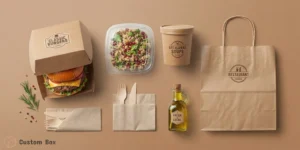
Kraft Paper Bags
 Kraft Standup Pouches
 Kraft Bowls
 Kraft Food Boxes
 SOS Paper bag
 Bottles & Jars
 Eco Products
 Accessories
Flip over almost any box, bottle, or pouch in your kitchen and you’ll find a small collection of triangles, arrows, dots, and numbers. Most of us glance at them and move on. But packaging symbols are a quiet language. They tell you how to dispose of a product, whether it is safe for food, and how it was made.
This guide walks through packaging symbols and meanings, from the famous triangle to the lesser-known tidy man. By the end, you’ll know how recycling codes explained in plain terms apply to the packs you handle every day. You’ll also know how to read recycling symbols like a pro. Whether you are a curious shopper or a business owner choosing materials, this guide is for you.
♻️ Why Packaging Symbols Matter More Than You Think
Packaging symbols exist to solve one problem: people need quick, wordless instructions. A symbol works in any language and on any pack size. It also helps a sorting worker decide in a split second where an item belongs.
The stakes are real. The environmental impact of plastic is well documented, and plastic pollution keeps growing because so much packaging ends up in the wrong place. When shoppers understand recycling instructions on labels, more material gets recovered. That means landfill waste reduction and a step closer to a circular economy, where materials are reused instead of discarded.
For businesses, symbols are also a trust signal. A clear, honest label shows customers you care about consumer awareness and sustainable consumer choices. If you are building a brand, our guide on choosing the right packaging for a food business shows how material decisions and labeling work together.
🔺 The Mobius Loop: The Symbol Everyone Recognizes
The Mobius loop is the three-arrow triangle. It is the most recognized of all recyclable packaging symbols, and it is also the most misunderstood.
In its basic form, the loop means the material can be recycled in principle. It does not guarantee that your local facility accepts it. Add a percentage inside the loop, such as 60%, and it tells you how much recycled content the pack contains. A loop inside a circle often means the item is made from recycled material or is part of a recovery scheme, depending on the region.
A good rule of thumb is to treat the loop as a starting point, not a final answer. Always pair it with local recycling rules, because recycling facilities differ from one city to another.
🔢 Plastic Recycling Codes: Numbers 1 to 7
The numbers inside the triangle are the resin identification code. The resin identification codes (RIC) were created to help sort plastics by type. They are the heart of plastic recycling codes and the reason recycling numbers on plastic matter. Here is a quick overview of plastic numbers 1 to 7.
| Code | Plastic Type | Common Uses | Recyclability |
|---|---|---|---|
| 1 | PET / PETE | Water bottles, cold drink cups, clear containers | Widely recycled |
| 2 | HDPE | Milk jugs, shampoo bottles, jars | Widely recycled |
| 3 | PVC | Pipes, blister packs, some cling films | Rarely recycled |
| 4 | LDPE | Shopping bags, squeeze bottles, films | Limited acceptance |
| 5 | PP | Food tubs, bottle caps, straws | Increasingly accepted |
| 6 | PS (polystyrene) | Foam trays, disposable cutlery | Rarely recycled |
| 7 | Other plastics | Mixed resins, polycarbonate, bioplastics | Usually not recycled |
This table is a handy reference, but the details behind each code are worth a closer look.
🥤 Code 1: PET or PETE
PET is clear, light, and strong. It is the star of the beverage world, and it is among the most commonly recycled plastics globally. Cold drink cups, for example, often use PET. If you run a café, our comparison of disposable coffee glasses in plastic versus paper shows how this choice plays out in practice.
🧴 Code 2: HDPE
HDPE is tough and chemical-resistant. It is used for milk jugs, detergent bottles, and sturdy jars. Because it is stable and widely collected, it is considered one of the safer, more recyclable plastics.
🚫 Code 3: PVC
PVC can contain additives that make recycling difficult, so it is accepted far less often. When you have a choice, many eco-conscious brands avoid it for food-related packaging.
🛍️ Code 4: LDPE
LDPE is soft and flexible, which is why it shows up in bags and films. Technically recyclable, it often jams sorting machines, so it is collected through special drop-off programs rather than standard bins.
🍽️ Code 5: PP
Polypropylene handles heat well. That is why it is used for food tubs, microwaveable containers, and bottle caps. Acceptance is growing, though it still varies by location. Straws, such as our 14mm plastic straws, are commonly made from this family of plastics.
🧊 Code 6: Polystyrene
Polystyrene is lightweight and a good insulator, but it breaks into small pieces easily. That makes it hard to collect and recycle. It is a major contributor to single-use plastics waste.
❓ Code 7: Other Plastics
This is the catch-all category. It includes multi-layer plastics and some bioplastics. Because the contents vary, sorting plastics correctly is difficult, and most programs do not accept code 7.
🗂️ Beyond Plastic: Other Common Packaging Symbols
Plastic gets the spotlight, but many other symbols appear on a typical pack. Understanding the types of packaging symbols helps you handle every material properly.
🚮 The Tidy Man
This small figure dropping something into a bin has nothing to do with recycling. The tidy man symbol simply asks you not to litter. It is common in Europe and increasingly seen elsewhere.
🟢 The Green Dot
The green dot symbol (two interlocking arrows in a circle) means the manufacturer has paid into a packaging recovery scheme. It is linked to extended producer responsibility (EPR). It does not mean the pack is recyclable, which is a very common mix-up.
🍷 Food-Safe Symbols
The cup-and-fork or wine glass-and-fork icon is among the key food-safe symbols. It tells you the material is suitable for contact with food. Closely related are the microwave-safe and dishwasher-safe symbols, which show whether a container can handle heat or a wash cycle. Always look for food-grade plastic markings when buying containers for hot meals. For a deeper look at safe materials, see our plastic deli containers food safety guide.
📄 Paper, Glass, and Metal
Material codes help sorting too. Paper and cardboard are usually marked PAP with a number (such as 20 for corrugated board). Glass appears as GL, so the glass recycling symbol helps you separate clear, green, and brown bottles. Aluminum is marked ALU (often 41), so the aluminum recycling symbol tells you the item is a strong candidate for infinite recycling. Aluminium trays, for instance, are popular for events, as explained in our guide to aluminium foil containers for wedding catering.
🌲 FSC and Eco Labels
FSC certified packaging comes from responsibly managed forests. It is one of the most trusted eco labels and certifications for paper-based products. If your boxes carry the FSC mark, customers can see your supply chain has been checked.
| Symbol | What It Means | Common Misunderstanding |
|---|---|---|
| Mobius loop | Material can be recycled | Not every facility accepts it |
| Green dot | Producer contributes to a recovery scheme | Does not mean recyclable |
| Tidy man | Dispose of litter responsibly | Not a recycling sign |
| FSC mark | Paper from responsibly managed forests | Not the same as recycled content |
| Compostable (seedling) | Breaks down in composting conditions | Often needs industrial composting |
Use this second table as a pocket cheat sheet. It clears up the most frequent label confusion.
🌱 Recyclable, Compostable, or Biodegradable? Know the Difference
Three words get mixed up all the time, so let’s separate them.
Recyclable means the material can be collected and turned into new products. Compostable packaging breaks down into natural elements, but usually under specific conditions such as an industrial composter. Biodegradable packaging is the vaguest of the three. Almost anything biodegrades eventually, so the term is meaningless without a timeframe and a standard behind it.
That is why recyclable vs non-recyclable is only half the story. A compostable plate that ends up in a landfill will not behave the way you hope. Look for certified marks, not just green wording. Items like our compostable biodegradable paper plates fit this category, and you can browse more in our eco-friendly product range.
Honest labeling matters here. Terms like “eco-friendly packaging” and “sustainable packaging” should be backed by real materials and clear disposal instructions. If you want to see how paper and plastic compare when you add up the full cost, read our paper bag vs plastic bag environmental cost comparison and our post on kraft paper bags vs plastic bags.
🔍 How to Read Recycling Codes in Real Life
Knowing the theory is great. Using it at the kitchen bin is better. Here is a simple routine for how to read recycling codes and symbols in a few seconds.
- Find the triangle and the number inside it.
- Check for any secondary marks, such as the food-safe icon or the green dot.
- Look for text instructions like “rinse” or “remove cap.”
- Compare with your local recycling rules before tossing.
🛒 A Practical Example
Imagine you finish a bottle of cooking oil. The base shows a triangle with a 1 and the letters PET. You rinse it, remove the cap, and place it in the recycling stream. The cap is marked 5 (PP), so you check whether your collector accepts mixed plastics. If not, it goes in the general bin. That small decision stops contamination in the recycling stream.
🧼 A Word on Contamination
Contamination in recycling is a big reason good material gets rejected. Greasy pizza boxes, food-soaked containers, and mixed materials can spoil an entire batch. A quick rinse makes a real difference. Black plastic is another trouble spot, because sorting scanners often cannot detect it. If that matters to your business, our comparison of black food containers vs transparent food containers is worth a look.
🌍 The Bigger Picture: Waste Management and Regulations
In many regions, curbside recycling is simple. You put sorted items out and a truck collects them. In Pakistan, the picture is different. A large part of recovery happens through informal collectors and scrap dealers, and household-level waste sorting is still developing. That makes consumer awareness even more valuable. When people separate paper, glass, metal, and plastic at home, collectors can recover more value.
Policy is evolving too. Packaging regulations are tightening across the world, and plastic waste management is a growing focus for governments and brands alike. Exporters already feel this. If you sell abroad, review our guides on EU packaging requirements for Pakistani exporters and packaging standards for exporting food from Pakistan. They explain why accurate labeling is becoming a business necessity, not an option.
To see where the local industry is heading, read about the future of packaging in Pakistan and the economic impact of eco-friendly packaging.
🏷️ What Businesses Should Do About Product Labeling
If you sell products, product labeling is part of your brand promise. Customers read labels more closely than ever, and a clear, accurate pack builds trust faster than an advertisement.
Start with the material. Mono-material packs are easier to recycle than layered ones, so choosing a single, well-understood material is often smart. Kraft paper, for example, is simple to identify and widely appreciated. Our guide on what a kraft standup pouch is and why businesses love it explains the appeal, and you can explore our kraft standup pouches for food and retail needs. If barrier performance is a concern, our food packaging barrier properties guide helps you balance shelf life with recyclability.
Next, think about reusable packaging. Tin boxes, jars, and sturdy containers give customers a second life for the pack. That lowers the carbon footprint of packaging and keeps your brand on their shelf. Explore our round plastic jars and tin boxes for ideas.
Finally, print the right symbols. A custom box can carry a Mobius loop, a disposal note, and a material code without clutter. If you are planning a branded pack, start with our overview of what a custom packaging box is, or browse custom packaging boxes in Pakistan. For strength and recyclability trade-offs, see kraft box vs corrugated box.
A few simple habits make labeling stronger:
- Use plain-language disposal instructions next to symbols.
- Avoid vague claims like “green” without proof.
- Choose certified materials when you can, such as FSC paper.
- Keep your packaging materials list updated for each product.
✅ Reduce, Reuse, Recycle: Putting It All Together
The classic reduce, reuse, recycle order still holds. Recycling is the last resort, not the first move. Buy less packaging, choose reusable options, and recycle only what remains.
Symbols are your guide through that process. The triangle tells you what a plastic is made of. The green dot tells you who is paying to recover it. The tidy man reminds you to bin it, and the food-safe icon tells you it is safe to eat from. Once you can read them together, packaging stops being confusing and starts being useful.
If you want a practical starting point, explore our eco-friendly packaging in Pakistan guide and see how smart material choices support both your brand and the planet.
❓ Frequently Asked Questions
What do recycling symbols mean?
Recycling symbols show how a material should be handled after use. The Mobius loop means the material can be recycled, the number identifies the plastic type, and other marks like the tidy man or green dot cover litter and producer responsibility.
What do the numbers on plastic mean?
They are resin identification codes from 1 to 7. They show the type of plastic, such as PET (1) or HDPE (2), so sorters can separate materials correctly.
Which plastic recycling codes are the most widely recycled?
Codes 1 (PET) and 2 (HDPE) are the most commonly accepted. Code 5 (PP) is gaining acceptance, while 3, 6, and 7 are rarely recycled.
Does the triangle symbol always mean an item is recyclable?
No. It shows the material type and that recycling is possible in principle. Whether it is accepted depends on your local facilities.
What is the difference between compostable and biodegradable packaging?
Compostable packaging breaks down into natural elements under defined conditions and standards. Biodegradable is a looser term with no guaranteed timeframe, so look for certification.
Is the green dot symbol the same as the recycling symbol?
No. The green dot means the producer contributes to a recovery scheme. It does not guarantee the pack is recyclable.
🚀 Final Thoughts and Call to Action
Understanding packaging symbols and recycling codes is a small skill with a big payoff. You make better buying choices, sort waste more accurately, and help cut contamination. If you run a business, clear labeling builds trust and prepares you for tighter regulations.
Ready to put this into practice? Explore Custom Box’s custom packaging solutions and build packaging that looks great, labels clearly, and respects the planet. Visit our blog for more practical guides.