Kraft Paper Bags
 Kraft Standup Pouches
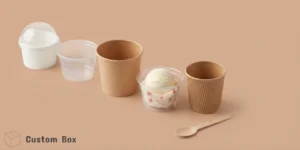
 Kraft Bowls
 Kraft Food Boxes
 SOS Paper bag
 Bottles & Jars
 Eco Products
 Accessories
If you’re running or planning to start a home kitchen setup, choosing the right packaging for homemade food business Pakistan entrepreneurs rely on can make the difference between a one-time buyer and a loyal, repeat customer. Pakistan’s home-based food industry has exploded over the last few years — from Karachi’s home bakers to Lahore’s tiffin services and Islamabad’s dessert box sellers — and packaging has quietly become one of the biggest factors separating successful brands from forgettable ones.
Here’s the truth: your biryani might taste incredible, your cupcakes might be soft and fresh, but if the box arrives crushed, leaking, or looking cheap, customers remember that first. This guide walks you through everything — from food-grade materials to affordable suppliers — so your homemade food business looks as good as it tastes.
🏠 Why Packaging Matters More Than You Think for Home-Based Sellers
Homemade food businesses in Pakistan usually start small — a WhatsApp menu, a few Instagram posts, maybe a Facebook group order. But as orders grow, packaging quickly becomes either your biggest asset or your weakest link.
Good packaging does three things simultaneously:
- Protects the food during transit, especially for deliveries across cities like Lahore, Karachi, or Islamabad
- Builds trust — customers judge food safety and quality partly by how it’s packed
- Markets your brand without you spending extra on ads
In fact, this is exactly why our detailed guide on how to choose the right packaging for a food business has become one of the most-read resources for new sellers — it breaks down decision-making frameworks that apply directly to home-based setups too.
📈 The Growing Homemade Food Business Boom in Pakistan
Over the past few years, platforms like Instagram, Facebook Marketplace, and food delivery apps have made it incredibly easy for home cooks to turn a passion into a business. Cloud kitchens, home bakeries, and tiffin services are thriving in almost every major city.
If you’re just getting started, it’s worth reading our breakdown on how to start a homemade food business in Pakistan — it covers licensing basics, kitchen setup, and yes, packaging strategy from day one.
The common thread across every successful home-based food brand? They treat food packaging business Pakistan standards seriously from the very first sale, not after they “grow big enough.”
🔍 Key Factors to Consider Before Choosing Packaging
Before you order a single box or pouch, think through these core factors. Getting this right early saves you money and customer complaints later.
1. Food Safety and Hygiene Standards
Not all packaging is created equal. For homemade food, you need food-grade packaging material that won’t leach chemicals, doesn’t react with oils or spices, and keeps bacteria out.
Look for:
- BPA-free plastic containers
- Grease-resistant kraft paper
- Properly sealed pouches for dry goods
Our article on food safety packaging standards explains exactly what certifications and materials to look for — especially important if you’re shipping items like curries, gravies, or dairy-based desserts.
2. Budget and Affordable Packaging Pakistan
Most home businesses operate on tight margins in the beginning. The good news? Affordable food packaging Pakistan options exist for every product type, from simple kraft bags to printed boxes once you scale.
A smart approach:
- Start with basic, functional packaging
- Add branding elements (stickers, stamps) instead of full custom printing
- Upgrade to fully custom packaging once order volume justifies the cost
3. Branding and Customer Trust
Packaging is often the only physical touchpoint between your kitchen and your customer’s home. A clean, well-labeled box builds instant credibility — even before they open the lid.
We go deeper into this in how to build a packaging brand in Pakistan, which is especially useful once you’re ready to move beyond plain packaging.
🍰 Best Packaging Solutions for Home-Based Food Business (By Category)
Different foods need different packaging approaches. Here’s a practical breakdown by product type.
Packaging for Cakes and Bakery Items
Cakes are fragile, and packaging for cakes and bakery items Pakistan sellers use needs to prevent shifting, crushing, and moisture damage.
Recommended options:
- Sturdy cake boxes with transparent windows so customers see the product before opening
- Cake boards for stability during transport
- Cake drum boards for heavier tiered cakes
- Brownie boxes for smaller bakery items
If you’re a home baker specifically, our guide on the best cake boxes for home bakers in Pakistan and how to pack a cake for delivery without damage are must-reads before your next order.
Packaging Material for Homemade Snacks
For chips, cookies, nuts, and dry snacks, moisture and freshness control matter most.
- Kraft standup pouches keep snacks crisp and look professional on shelves or in delivery bags
- Resealable zipper pouches allow customers to store leftovers properly
- Kraft food boxes work well for cookies and bite-sized treats
Our detailed post on what a kraft standup pouch is and why businesses love it explains why this has become the go-to choice for Pakistani snack sellers.
Packaging for Pickles, Sauces, and Liquids
Homemade pickles (achaar) and sauces need leak-proof, airtight solutions.
- Glass or plastic jars with screw lids prevent spillage
- Standup spout pouches work for sauces and liquid condiments
- Always double-check lid sealing before shipping
If pickle packaging is your focus, our dedicated resource covers this niche in more depth and is worth bookmarking for future reference.
Food Delivery Packaging Ideas
Delivery-specific packaging needs to survive bike rides, temperature changes, and stacking.
Key food delivery packaging ideas include:
- Insulated coffee cups and hot beverage containers for hot drinks
- Transparent food containers for curries and rice dishes
- Deli containers with secure locking lids for saucy items
For a full breakdown, check our guide on the best packaging for biryani delivery in Pakistan — biryani is notoriously tricky to package without spillage, and this article solves that exact problem.
Tiffin and Meal Packaging Ideas
Daily tiffin services need reusable or eco-conscious disposable containers that keep food warm and separated.
- Kraft bowls with lids work well for rice, salads, and curries
- Multi-compartment containers keep different dishes from mixing
- Insulated bags maintain temperature for longer routes
🌱 Eco-Friendly and Biodegradable Packaging Trends in Pakistan
Sustainability isn’t just a buzzword anymore — Pakistani consumers, especially in urban areas, increasingly prefer brands using biodegradable packaging Pakistan businesses can proudly showcase.
Popular eco-conscious choices include:
- Kraft paper bags instead of plastic
- Compostable paper plates and bowls
- Natural loofah and biodegradable serving accessories
- Wooden cutlery instead of plastic
Our comprehensive piece on eco-friendly packaging in Pakistan covers current adoption trends, while kraft paper bag vs plastic bag breaks down the practical pros and cons if you’re still deciding.
Switching to sustainable packaging isn’t just good for the planet — it’s increasingly a selling point that customers actively look for.
🛒 Where to Buy Packaging Material — Suppliers in Pakistan
Finding reliable food container suppliers in Pakistan can be frustrating when you’re starting out. Many home businesses waste time (and money) buying from unreliable local vendors with inconsistent quality.
When searching for wholesale packaging material Pakistan suppliers, prioritize vendors who offer:
- Food-grade certified materials
- Bulk order discounts for small businesses
- Customization options (even minimal branding)
- Reliable delivery timelines across cities
CustomBox.pk offers ready-to-order packaging across categories — from pizza boxes to tin boxes for cookies and dry fruits — with options suited for both small home orders and growing businesses in Karachi, Lahore, and Islamabad.
🎨 Branding Tips: Turning Packaging Into a Marketing Tool
Here’s something most new sellers overlook: packaging is free advertising every time your customer receives an order.
Simple, low-cost branding tips for homemade food businesses:
- Add a custom sticker label with your logo and contact info
- Include a small thank-you card or discount code
- Use consistent color schemes across all packaging
- Add your Instagram handle directly on the box or pouch
We explore this concept in much more detail in packaging as a marketing tool in Pakistan and how custom food packaging grows your brand fast — both are excellent next reads once you’ve nailed the basics.
⚠️ Common Packaging Mistakes Home-Based Sellers Make
Avoid these frequent errors that hurt both customer experience and repeat sales:
- Using non-food-grade containers to save money — this risks health complaints and bad reviews
- Ignoring leak-proofing for curries, gravies, and sauces
- Overpacking or underpacking boxes, causing damage during transit
- Skipping labels entirely, making your brand forgettable
- Choosing packaging that’s too large, wasting money and looking unprofessional
Our complete packaging checklist for new food businesses is a great tool to run through before your next big order round.
📦 How to Package Homemade Food for Sale — Step-by-Step
If you’re wondering exactly how to package homemade food for sale, follow this simple process:
- Identify your product category (bakery, snacks, liquids, meals)
- Choose food-grade material appropriate for that category
- Test for leaks and durability before your first bulk order
- Add branding elements — stickers, labels, or printed boxes
- Consider delivery conditions — distance, weather, and stacking
- Order in small batches first, then scale based on demand
This process works whether you’re packaging homemade chocolates, dry fruits, or full meal boxes.
💰 Packaging Cost for Small Business — What to Expect
One of the biggest concerns for home-based sellers is packaging cost for small business operations. Here’s a rough framework:
| Packaging Type | Best For | Cost Level |
|---|---|---|
| Plain kraft bags/pouches | Snacks, dry items | Low |
| Basic plastic containers | Curries, meals | Low-Medium |
| Printed cake boxes | Bakery items | Medium |
| Insulated bags/cups | Hot food, beverages | Medium |
| Fully custom branded boxes | Established brands | Medium-High |
Start lean, reinvest profits into better packaging, and scale gradually. Trying to launch with premium custom packaging before you have consistent orders often drains cash unnecessarily.
❓ Frequently Asked Questions
Q1: What is the best packaging for a homemade food business in Pakistan just starting out? Start with simple, food-grade kraft pouches or plastic containers. Add basic branding like stickers before investing in fully custom printed packaging.
Q2: Is eco-friendly packaging more expensive than regular packaging? Not always. Kraft paper and biodegradable options are often comparable in price to plastic, and increasingly preferred by customers.
Q3: How do I prevent food from spilling during delivery? Use leak-proof containers with secure locking lids, avoid overfilling, and choose insulated bags for hot or liquid-based items.
Q4: Where can I buy affordable packaging material in Pakistan? Reliable suppliers like CustomBox.pk offer bulk and small-batch options across categories, including kraft pouches, bakery boxes, and disposable containers.
Q5: Do I need FDA or food safety certification for homemade food packaging? While formal certification isn’t always required for home businesses in Pakistan, using certified food-grade materials builds trust and reduces health risks significantly.
🎯 Final Thoughts: Package Smart, Sell Better
Your food might be the star of the show, but packaging is the stage it performs on. Getting homemade food packaging Pakistan right from day one doesn’t require a huge budget — it requires smart choices, food-safe materials, and a bit of branding creativity.
Whether you’re just starting your first tiffin service or scaling a home bakery into a full delivery brand, the right packaging solutions for home-based food business needs will protect your product, build customer trust, and turn every delivery into a small marketing moment.
Ready to upgrade your packaging? Explore CustomBox.pk’s full range of food packaging solutions designed specifically for Pakistani home-based and small food businesses — from bakery boxes to eco-friendly pouches, everything you need is one order away.