Kraft Paper Bags
 Kraft Standup Pouches
 Kraft Bowls
 Kraft Food Boxes
 SOS Paper bag
 Bottles & Jars
 Eco Products
 Accessories
Organic food packaging is the first promise your brand makes to a customer, before they taste, smell or even read your story. If your honey, spices, dried fruits or herbal tea are grown with care, but arrive in a cheap, glossy plastic bag, the message gets muddled. Shoppers who pay extra for organic products look closely at the pack, and they read it as proof of your values.
The challenge is that natural food is also delicate. Without preservatives, it reacts quickly to air, moisture and light. Your packaging has to protect freshness and look honest, sustainable and premium, all on a realistic budget.
This guide walks you through the materials, formats, labels and design choices that work for organic and natural brands. It is written for founders, home-based sellers and growing food businesses in Pakistan, so the examples are practical rather than theoretical.
🌱 What Makes Packaging “Organic” or Natural?
Here is a point many brands miss. The packaging itself is not certified organic. Organic certification applies to the food, and only the food. What brands usually mean by organic food packaging is packaging that matches the values behind an organic product: made from renewable or recycled materials, free from unnecessary plastic, safe for food contact, and honest in its labelling.
Think of it as three layers working together:
- Safety: the material must be food-grade and must not transfer anything into the product.
- Protection: it must block moisture, oxygen and light well enough to hold freshness.
- Story: the look, texture and message must feel natural and trustworthy.
If one layer fails, the whole pack suffers. A beautiful kraft bag that lets humidity in will spoil your spices. A perfectly sealed foil pack with a loud, artificial design will not convince an organic buyer. The best natural food packaging balances all three.
🧠 Why Packaging Matters So Much for Organic Brands
Organic customers shop with questions in mind. Is this brand honest? Is it harmful to the environment? Will the product still be fresh? Packaging answers these questions in a few seconds on a shelf or a phone screen.
Packaging also affects real costs. Poor protection leads to stale products, returns and bad reviews, which hurt a small brand far more than a slightly higher pack price. If you want to see how packaging influences brand perception in general, our article on packaging as a marketing tool in Pakistan explains the psychology in plain language, and why branded food packaging matters covers the business side.
📦 The Best Materials for Organic and Natural Food Packaging
Let us go through the main options one by one, with honest strengths and limits.
1. Kraft Paper Pouches: The Natural Favourite
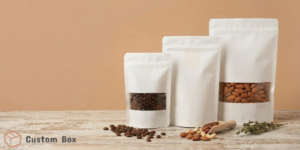
Kraft is the face of natural branding. Its brown, fibrous look signals “simple and unprocessed” without any extra design work. A kraft pouch with a zipper keeps the product resealable, and many versions include a clear window so customers can see the product.
Kraft paper on its own is not a strong barrier, though. For items like nuts, spices or coffee, it usually comes with an inner lining. That lining gives the barrier protection but changes how recyclable the pack is. Being open about this trade-off is part of building trust. To understand the format in depth, read what a kraft stand-up pouch is and why businesses love it, then browse the kraft stand-up pouches range. For best uses by product type, the brown kraft stand-up pouch applications guide is a handy companion.
2. Window Pouches: Show the Product, Build the Trust
Organic buyers like to see what they are paying for. A window pouch shows the colour and texture of your granola, herbs or dried fruit, which proves the product is real and unprocessed. Our brown flat-bottom pouches with window suit cookies, tea and snacks, while the white kraft pouches with window give a lighter, cleaner look.
Keep in mind that a window lets some light in. For light-sensitive items, keep the window small or choose a fully opaque pouch. The comparison in black stand-up pouch with window vs without window explains the logic well, and it applies to other colours too.
3. Aluminium-Lined and Barrier Pouches
When shelf life matters most, as with spices, coffee, powders and oils, barrier layers do the heavy work. Kraft pouches with aluminium lamination combine a natural look with strong protection against oxygen and moisture.
The honest note: aluminium-laminated packs are great for freshness but are harder to recycle than simple paper. Many organic brands accept this trade-off because food waste is also an environmental cost, and a spoiled product wastes everything that went into growing it. If you want to understand how these barriers work, our food packaging barrier properties guide is a good technical but readable resource.
4. Spout Pouches for Oils, Honey and Liquids
Cold-pressed oils, honey, syrups and sauces need a leak-proof format. A spout pouch is lighter than glass, easier to ship, and still looks clean. For jam, achar and pickles, a dedicated stand-up pouch for pickle keeps oil and acidity under control.
If you sell honey, pair the pack with the right tool. A natural wooden honey dipper or long-handle mixing stick for honey jars adds a thoughtful, plastic-free touch that fits an organic brand.
5. Tin Boxes and Rigid Containers
Tins protect from light and air better than almost any other format, and customers often reuse them, which supports your sustainability story. They suit tea, spices, premium dried fruits and gift sets. Compare formats in round tin box vs square tin box, or view the full tin boxes collection.
6. Compostable and Biodegradable Items
For food service and sampling, compostable options match organic values well. Items like compostable biodegradable paper plates and kraft bowls with lids work for ready-to-eat natural foods, salads and takeaway meals. You can see more eco-friendly lines in the eco product category.
One caution: “compostable” often needs industrial composting conditions, and not every local facility accepts it. Avoid overclaiming. Say “compostable where facilities exist” rather than “100% eco-friendly,” which looks like greenwashing and can damage trust.
📊 Quick Comparison: Which Packaging Fits Which Product?
| Packaging Type | Freshness Protection | Natural Look | Best For |
|---|---|---|---|
| Kraft pouch (with inner lining) | Good to excellent | Very high | Nuts, dried fruits, tea, granola |
| Window pouch | Good (limit light) | High | Snacks, herbs, cookies |
| Aluminium-lined pouch | Excellent | Medium to high | Spices, coffee, powders |
| Spout pouch | Excellent | Medium | Honey, oils, syrups |
| Tin box | Excellent | High, reusable | Tea, premium gifts, spices |
| Compostable bowls and plates | Short-term only | Very high | Ready-to-eat, takeaway |
The pattern is simple. The more perishable the food, the more barrier you need. The more premium you want the brand to feel, the more you invest in texture and finishing.
🏷️ Labels, Claims and Certification: Getting Them Right
Packaging for organic brands carries more responsibility than regular packaging, because customers read every claim. A few principles will keep you safe and credible.
First, only use the word “organic” if your product is genuinely certified or meets the standard that applies in your market. Using it loosely can lead to complaints, penalties or removal from marketplaces. Rules differ by country and by sales channel, so check with the relevant authorities before printing. If you plan to sell abroad, our guides on packaging standards for exporting food from Pakistan and EU packaging requirements for Pakistani exporters outline what overseas buyers expect.
Second, keep labels clean and complete. Most food products should show the product name, ingredients, net weight, batch or date information, storage instructions and your contact details. Print the essentials clearly, and leave breathing room around them.
Third, use clean label thinking: short ingredient lists, plain language and no vague buzzwords. “Natural” with no explanation tells shoppers nothing, while “single-origin, sun-dried, no added sugar” tells them everything.
🎨 Design Ideas for Organic Food Packaging
A natural brand does not have to look plain. It should look intentional. Here is what tends to work in real shelf conditions.
Keep it minimal. Soft earthy tones, one accent colour and generous white space feel calm and honest. The trend is covered well in minimalist packaging trends in Pakistan.
Tell a short story. One line about where the product comes from, such as “Hand-picked from Swat valley orchards,” does more than a long paragraph. Origin, farmer, harvest season and method are the details organic buyers value.
Use texture and material honestly. Kraft, uncoated paper and matte finishes feel natural. Glossy, metallic and neon finishes can feel artificial for this audience, unless they fit a deliberate premium angle.
Show the product. A clear window, a simple illustration or a close photograph builds confidence.
Choose paper weight with care. Thicker board feels premium and protects better. The GSM guide for packaging helps you pick the right weight.
If you are creating a pack from zero, follow how to design custom food packaging in Pakistan from scratch. It walks through briefs, dielines and approvals.
🍯 Matching Packaging to Popular Organic Products
Different products fail in different ways, so it helps to match the pack to the product.
Honey and syrups need airtight, leak-proof containers. Glass jars, spout pouches and sturdy plastic jars all work, depending on your positioning. If you use jars, see the round plastic jar range and the guide on round plastic jar uses for food, cosmetics and retail.
Spices and herbs lose aroma fast, so use barrier pouches or tins with tight closures, and fill them with minimal empty space.
Nuts and dried fruits go stale from oxygen and humidity. A zip pouch with a proper inner layer is the practical choice, and our article on keeping dry fruits fresh with the right pouch goes deep on this. For larger gift formats, see the best packaging for dry fruits in Pakistan.
Herbal and organic tea needs protection from light, moisture and odours. Tins or aluminium-lined kraft pouches are the safest choices.
Cold-pressed oils are sensitive to light and air. Choose dark or opaque containers and spout formats with secure caps.
Coffee and ground products need a valve or a strong barrier. Learn more in how coffee packaging preserves freshness and aroma.
🥗 How to Keep Organic Food Fresh in Eco-Friendly Packaging
Natural food has no heavy preservatives, so packaging and handling carry more of the burden. These habits make a big difference.
Start with dry, properly processed products, because packaging cannot rescue moisture that is already inside. Fill pouches in a cool, low-humidity space, and press out extra air before sealing. Choose the correct size so the pack is not half empty, as extra air speeds up spoilage. The kraft pouch sizes guide shows which size suits which weight.
Add clear storage instructions on the label, such as “Store in a cool, dry place and reseal tightly.” For long-term storage or humid seasons, food-safe oxygen absorbers or moisture packets can help where the product allows. Finally, always test a small batch before a large print run. Shelf life depends on the product, the climate and the pack, and a real trial beats any assumption.
♻️ Sustainability Without the Greenwashing
Organic customers are quick to spot fake green claims, so honesty protects your reputation. A few practical guidelines help.
Choose materials that are recyclable, recycled or from responsibly sourced fibre where possible, such as FSC-certified paper. Reduce layers and pack size to lower the overall footprint. Skip unnecessary extras like extra boxes, plastic windows or oversized inserts. And tell customers how to dispose of the pack correctly.
For carry options, the comparison in kraft paper bag vs plastic bag and the deeper environmental cost comparison of paper and plastic bags show where each option really stands. To explore the wider picture, read about eco-friendly packaging in Pakistan and eco-friendly custom packaging solutions. Looking ahead, the future of packaging in Pakistan shows where the industry is heading.
🚀 Packaging Ideas for Small Organic Businesses
You do not need a huge budget to look professional. Many successful small brands start with a simple formula: a kraft pouch, a clean printed label or sticker, and a short origin story. Once sales grow, they move to custom-printed pouches, a branded outer carry bag and consistent colours across every product.
If you run a home kitchen or farm shop, our guide on packaging for a homemade food business in Pakistan is a good starting point. For choosing the right format step by step, use how to choose the right packaging for a food business and the complete packaging checklist for a new food business. When you are ready for printed pouches, the custom kraft pouches buying guide explains minimum quantities, printing and lead times.
For gifting seasons, an organic hamper in a kraft box with a ribbon sells very well. Our notes on Ramadan packaging trends and Eid packaging ideas for food and gift businesses show how to adapt your packs for seasonal demand.
🛒 How to Choose the Right Organic Food Packaging (Step by Step)
Work through these questions in order, and the answer usually becomes clear.
- What does the product need? Check moisture, oxygen and light sensitivity first.
- Who is the customer? Premium gift buyers, daily shoppers and wholesalers expect different things.
- What is your price per unit? Set a packaging budget as a share of the selling price.
- How will it ship? Online orders need stronger packs and outer cartons.
- What story must the pack tell? Pick materials and design that match it.
- Can you scale? Choose a format you can reorder consistently.
When you buy in volume, wholesale pricing lowers the cost per pack and keeps quality consistent. If you are comparing vendors, our lists of packaging suppliers in Lahore and packaging suppliers in Karachi can help you shortlist.
⚠️ Common Mistakes Organic Brands Make
The most frequent mistake is picking looks over protection, which leads to stale products and unhappy buyers. Close behind is overclaiming, such as printing “eco-friendly” or “100% natural” without any proof. Others include oversized packs with too much empty space, cluttered labels with tiny text, and inconsistent branding across products. Finally, many brands skip sample testing, then discover problems after a large print run. Always order samples first.
🎯 Conclusion
Strong organic food packaging does three jobs at once: it keeps food safe and fresh, it reflects your values honestly, and it makes a quick, memorable impression. Kraft pouches, window packs, barrier-lined formats, tins and compostable items each have a place. The right choice depends on your product, your customer and your budget.
Be honest about trade-offs, keep labels clear, and design with calm confidence. A natural brand that shows its care in every detail earns trust, and trust brings repeat orders.
📞 Ready to Package Your Natural Food Brand?
Whether you are launching your first product or upgrading an existing range, we can help you choose the right size, material and finish. Explore our kraft stand-up pouches, custom food packaging boxes and full product shop, or talk to our team about a custom solution. Contact Custom Box today and give your organic products the packaging they deserve.
🧩 FAQ Section (for on-page content)
What is the best packaging for organic food?
The best choice depends on the product. Kraft pouches with an inner barrier layer suit nuts, tea and dried fruits, spout pouches suit honey and oils, and tins suit tea and spices. Choose by freshness needs first, then by look.
Is kraft paper packaging good for organic food?
Yes, as long as it has a food-safe lining where needed. Plain kraft paper alone does not block moisture well, so products like spices, nuts and coffee need an inner barrier layer.
Is compostable packaging suitable for food storage?
Compostable packaging works well for short-term use, such as takeaway and ready-to-eat food. For long shelf-life products it usually does not give enough barrier protection.
What labels are required on organic food packaging?
Generally, you need the product name, ingredients, net weight, date or batch details, storage instructions and contact information. Use the word “organic” only if your product meets the certification rules that apply in your market.
How does packaging affect customer trust in organic brands?
Customers judge quality and honesty from the pack. Clean design, clear labels, visible product and sustainable materials all signal that the brand is genuine.
Where can I buy organic food packaging in bulk?
You can order from a packaging supplier that offers kraft pouches, tins and custom printing at wholesale rates, such as Custom Box Pakistan.