Kraft Paper Bags
 Kraft Standup Pouches
 Kraft Bowls
 Kraft Food Boxes
 SOS Paper bag
 Bottles & Jars
 Eco Products
 Accessories
Every restaurant owner obsesses over taste, service speed, and ambiance — but there’s a quieter factor shaping customer opinions long before the first bite happens. Food packaging and restaurant reviews are far more connected than most business owners realize, because packaging is often the very first physical touchpoint a customer has with your brand, especially in a delivery-driven market like Pakistan’s. A soggy box, a leaking lid, or a flimsy bag can undo weeks of great cooking in a matter of seconds, while a sturdy, well-designed container can turn an ordinary meal into a five-star moment worth posting online. This blog unpacks exactly how packaging decisions ripple into your Google ratings, your Yelp comments, and your overall online reputation — and what you can do to make packaging work for you instead of against you.
🎯 Why Food Packaging Matters More Than You Think
Most restaurant owners view packaging as a logistical afterthought — something to grab in bulk and move on from. In reality, the importance of packaging in restaurant business goes far beyond simply holding food together during transit. Packaging acts as a silent ambassador for your brand, representing your attention to detail even when you’re not physically present to serve the customer.
Think about it from the customer’s perspective. When food arrives at their doorstep, the packaging is the first thing they interact with — before they even see or taste the meal itself. If that packaging feels cheap, damaged, or careless, it immediately plants a seed of doubt about the quality of what’s inside. This is precisely why so many successful food businesses treat their boxes, pouches, and containers with the same seriousness as their recipes. If you’re setting up a new food brand, our guide on how to choose food packaging for a new restaurant breaks down exactly what to prioritize from day one.
🧠 The Psychology Behind Packaging and Customer Perception
Human beings are wired to make snap judgments, and food is no exception. How packaging influences customer perception is rooted in basic psychology — we associate neat, well-structured packaging with professionalism, hygiene, and care, while messy or generic packaging triggers subconscious skepticism, even if the food itself is excellent.
This “first impression effect” explains why identical dishes can receive wildly different reviews depending purely on presentation. A biryani served in a flimsy plastic bag feels like a roadside shortcut, while the same biryani in a sealed, branded container feels premium and intentional. Customers aren’t just eating your food — they’re experiencing your entire brand through texture, color, structure, and even the sound of the packaging opening. That emotional reaction happens within seconds, long before taste ever enters the equation, which is why so many cloud kitchens now invest heavily in cloud kitchen packaging that reflects a polished, trustworthy identity despite having no physical storefront.
⭐ The Direct Link Between Packaging and Online Reviews
Here’s where things get particularly interesting for restaurant owners chasing better ratings. Restaurant food packaging impact on customer reviews isn’t theoretical — it’s measurable, and it shows up constantly in real customer feedback across Google, Yelp, and food delivery apps. A huge percentage of one-star reviews on delivery platforms mention packaging issues specifically: spilled sauces, crushed boxes, soggy fries, or leaking containers, often before the reviewer even comments on taste.
This happens because negative packaging experiences create an emotional disruption that overshadows everything else. Imagine ordering a creamy curry that arrives with sauce leaked all over the delivery bag — even if the curry itself tastes incredible, the mess becomes the headline of the review. On the flip side, when packaging performs flawlessly, customers rarely mention it directly, but it quietly reinforces positive sentiment throughout their entire review. This is exactly why reliable leak-proof containers for food have become non-negotiable for restaurants serving curries, biryanis, or sauces, since a single structural failure can cost you a five-star rating you worked hard to earn.
🚚 Delivery Packaging: The Silent Reviewer Nobody Sees
Dine-in customers forgive minor packaging flaws because the overall restaurant experience compensates for it. Delivery customers have no such buffer — packaging is the experience. The food delivery packaging experience essentially replaces the ambiance, the service, and the plating that dine-in guests enjoy, which makes it the single most scrutinized element of an off-premise order.
Platforms like Uber Eats and DoorDash have intensified this scrutiny even further, since customers can rate deliveries within minutes of unboxing, while frustration is still fresh. A few recurring pain points consistently show up across delivery reviews:
- Containers that shift or tip during transit, mixing sauces with rice or fries
- Packaging that traps steam, leaving food soggy by the time it arrives
- Bags without proper insulation, causing hot food to arrive lukewarm
Addressing these issues isn’t complicated — it simply requires choosing packaging engineered for real-world delivery conditions rather than generic, one-size-fits-all boxes. Restaurants specializing in rice dishes often turn to specialized guides like best packaging for biryani delivery to solve exactly this problem, while bakeries facing similar transit challenges benefit from resources on how to pack a cake for delivery without damage.
❌ Common Restaurant Packaging Mistakes That Trigger Bad Reviews
Many packaging-related review disasters stem from a small set of avoidable mistakes rather than complex design flaws. Understanding these restaurant packaging mistakes to avoid can save you from a steady drip of preventable one-star complaints.
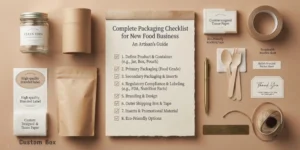
The most frequent offender is mismatched sizing — using containers too large or too small for the actual food volume, which causes shifting, spilling, or crushed presentation. A close second is ignoring material compatibility, such as placing hot, oily food into thin packaging that warps or leaks under heat and grease. Many businesses also overlook ventilation needs, sealing fried items in airtight containers that trap steam and turn crispy food soggy within minutes. Finally, inconsistent branding across different packaging pieces creates a disjointed, unprofessional impression that undermines customer trust even when the food itself is flawless. Restaurants looking to systematically eliminate these issues often follow a structured complete packaging checklist for new food businesses before finalizing their packaging supplier.
🌱 Eco-Friendly Packaging and Building Customer Trust
Sustainability has moved from a nice-to-have to a genuine review-influencing factor, particularly among younger, urban customers in Pakistan who increasingly notice and comment on environmental responsibility. Eco-friendly packaging and customer trust are now closely linked, with many reviewers explicitly praising restaurants that use biodegradable or recyclable materials instead of generic plastic.
This shift matters commercially because sustainable packaging signals that a business thinks beyond short-term convenience — a trait customers associate with quality and reliability across the entire dining experience. Kraft-based pouches, paper bags, and compostable containers have become particularly popular among restaurants aiming to strengthen this perception without sacrificing durability. If you’re exploring this transition, our breakdown of eco-friendly custom packaging options covers practical materials that balance sustainability with real-world performance.
🎨 Branding Through Packaging: Logo, Design, and the Unboxing Experience
Beyond function, packaging plays a starring role in packaging design and restaurant branding, often serving as free, highly visible marketing every time a customer receives an order. A thoughtfully branded box with a clean logo, consistent color scheme, and intentional design doesn’t just protect food — it actively reinforces brand recall and encourages social sharing.
This is particularly powerful in the age of social media, where customers frequently photograph attractive packaging before even opening it, effectively advertising your restaurant to their entire network for free. Creating a genuinely memorable moment at this stage can meaningfully influence review sentiment, since customers who feel delighted by presentation are statistically more likely to leave detailed, positive feedback. For restaurants wanting to engineer this effect intentionally, our guide on how to create a memorable unboxing experience offers practical design strategies, while branded food packaging explains why consistent branding across every touchpoint accelerates customer recognition and loyalty.
📊 Packaging Elements and Their Review Impact
To make this connection even clearer, here’s a quick snapshot of how specific packaging elements tend to influence customer reviews in practice:
| Packaging Element | Common Review Impact |
|---|---|
| Leak-proof sealing | Prevents spill-related complaints and messy delivery reviews |
| Insulated materials | Keeps food at proper temperature, reducing “cold food” complaints |
| Branded design | Boosts social sharing and positive brand-related comments |
| Sturdy structure | Avoids crushed packaging and damaged presentation reviews |
| Eco-friendly materials | Encourages trust-based, values-driven positive feedback |
This table illustrates why packaging decisions rarely exist in isolation — each element directly feeds into a specific category of customer sentiment that eventually surfaces in your online reviews.
✅ Best Practices to Improve Packaging and Boost Reviews
Turning packaging into a genuine review-booster doesn’t require a complete business overhaul — it simply requires consistent, intentional choices across a few key areas. These best packaging practices for restaurants form a practical foundation worth implementing immediately:
- Match container size precisely to portion size to prevent shifting or spilling
- Choose materials suited to your food type — insulated for hot items, ventilated for fried items, leak-proof for sauces and curries
- Maintain consistent branding across every box, bag, and pouch your customers receive
Restaurants that treat packaging as a strategic asset rather than a cost center consistently report stronger customer sentiment over time. For a deeper dive into aligning packaging choices with your specific business model, our resource on how to choose the right packaging for your food business walks through decision-making frameworks tailored to different restaurant types, including dine-in, delivery-only, and cloud kitchen setups.
📝 Final Thoughts: Packaging Is Your Silent Review Manager
At this point, the connection between how food packaging affects restaurant reviews should feel less like a minor operational detail and more like a core piece of your reputation management strategy. Packaging shapes first impressions, protects food integrity during transit, reinforces branding, and often becomes the deciding factor between a glowing five-star review and a frustrated one-star complaint. The restaurants winning online today aren’t necessarily the ones with the most exotic menus — they’re the ones who understood that presentation, protection, and consistency matter just as much as flavor itself.
Investing in quality, well-designed packaging isn’t an added expense; it’s a direct investment in your online reputation, customer retention, and long-term brand growth. If you’re ready to upgrade your restaurant’s packaging strategy and start turning every delivery into a five-star opportunity, explore CustomBox’s full range of custom food packaging boxes and discover solutions built specifically for Pakistan’s food industry. Your next great review might just start with a better box.
❓ Frequently Asked Questions
Q1: Does food packaging really affect restaurant reviews? Yes. Packaging is often the first physical touchpoint customers experience, especially with delivery orders, and issues like leaks, sogginess, or damage frequently appear directly in negative reviews.
Q2: What packaging mistakes most commonly lead to bad reviews? Mismatched container sizing, poor material choice for hot or oily food, inadequate ventilation causing sogginess, and inconsistent branding are the most frequent culprits.
Q3: How does eco-friendly packaging influence customer trust? Sustainable packaging signals responsibility and quality consciousness, which customers increasingly value and often mention positively in their reviews.
Q4: What’s the best packaging type for delivery apps like Uber Eats or DoorDash? Leak-proof, insulated, and properly ventilated containers perform best, since they maintain food quality and temperature throughout the delivery journey.
Q5: Can branded packaging actually improve my restaurant’s online visibility? Yes. Attractive, branded packaging encourages customers to photograph and share their orders on social media, generating organic exposure and often more detailed, positive reviews.
Q6: How quickly can better packaging improve my restaurant’s ratings? Many restaurants notice measurable improvement within weeks of switching to higher-quality packaging, since it directly addresses the most common complaint categories in negative reviews.